
Thai Patients Planning Cosmetic Surgery in Korea: Visa, Interpreters and Payment

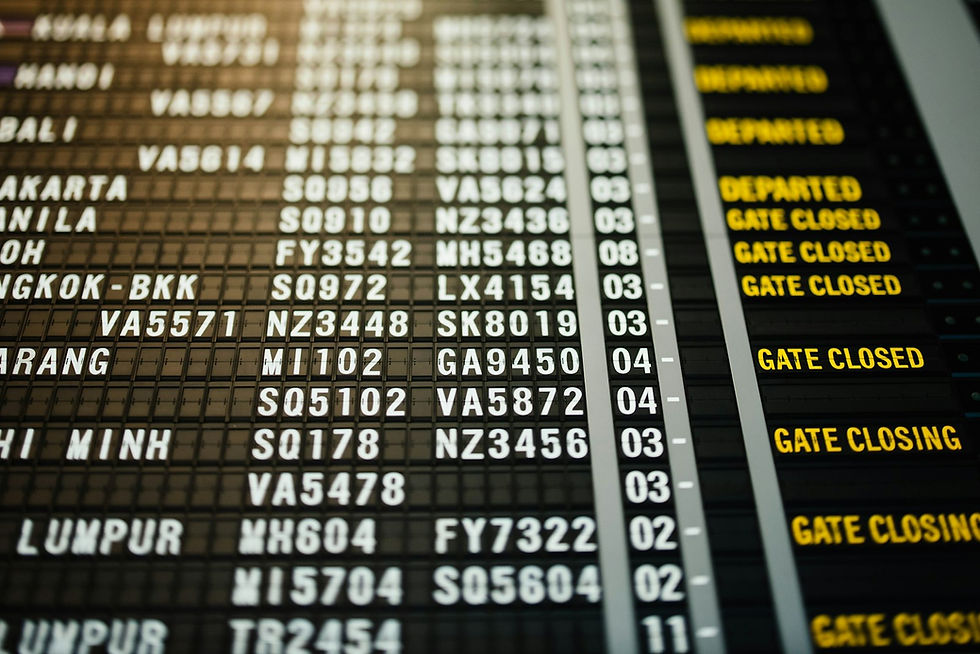
For Thai patients the binding constraint is usually entry screening, not the surgery date. Photo: Eric Rothermel / Unsplash
Quick answer Thai passport holders have long been able to make short visits to Korea without a visa under a bilateral exemption, but that exemption is for short visits rather than extended treatment, entry still depends on the electronic travel authorisation regime in force and on screening at arrival, and both have changed repeatedly. Confirm current requirements before booking, carry clinic documentation to the border, and settle the review schedule before buying the return flight.
In this guide
Entry: exemption, electronic authorisation and arrival screening
Thailand and Korea have a long-standing arrangement that allows Thai passport holders to make short visits without obtaining a visa in advance. That is the starting point, but it is not the whole picture, and treating it as the whole picture is where plans go wrong.
Three separate things govern whether you board and whether you enter. First, the exemption itself, which covers short visits and not extended courses of treatment. Second, the electronic travel authorisation regime, which has been introduced, modified and selectively suspended for different nationalities over recent years. Third, screening by immigration officers on arrival, which is a discretionary assessment and is applied independently of the first two.
Because all three have changed more than once, verify the current position with a Korean diplomatic mission in Thailand before you commit to dates, rather than relying on what applied on a previous trip or on what a clinic coordinator remembers. If the treatment plan extends well beyond a short visit, or involves staged surgery, ask specifically whether a dedicated medical treatment visa is the correct route instead of the exemption.
What to carry at the border
Arrival screening is where Thai patients most often encounter friction, and documentation is the main thing within your control. Carry the following as printed paper as well as on your phone, because connectivity at the counter is not guaranteed.
A confirmed return or onward ticket with a date inside the period you are permitted to stay.
Accommodation confirmation for the whole stay, with the address written out.
A clinic appointment confirmation naming you, the clinic and the dates, which makes the purpose of the trip concrete rather than vague.
Evidence that the trip is funded, such as a bank statement or the clinic estimate together with proof of means.
Contact details for the clinic coordinator who can confirm the appointment if asked.
If an intermediary made the booking, verify it is lawfully registered before you rely on its paperwork at a border. The checks are in our guide to checking whether a Korean medical tourism agency is legally registered.
Which procedures Thai patients travel for
Thailand has a developed cosmetic surgery sector of its own, so travelling to Korea only makes sense for a narrow set of reasons, and being honest about which one applies to you is the most useful planning step you can take.
In practice the recurring reasons are technique-specific rather than price-driven. Facial bone contouring, where the operative volume and the fixation approaches differ; revision work where the first operation was done elsewhere and the problem is structural; and eyelid techniques where the aesthetic goal is specific to East Asian anatomy and the surgeon selection matters more than the procedure name. Device-based dermatology is a weaker case, because much of the same equipment is available in Bangkok.
If price is the deciding factor rather than technique, check the comparison first. Our price guides to eyelid surgery prices in Korea against Vietnam, the Philippines and Malaysia and to canthoplasty cost in Korea against Japan, Thailand and the United States set out where the gap is real and where it closes once travel is included.

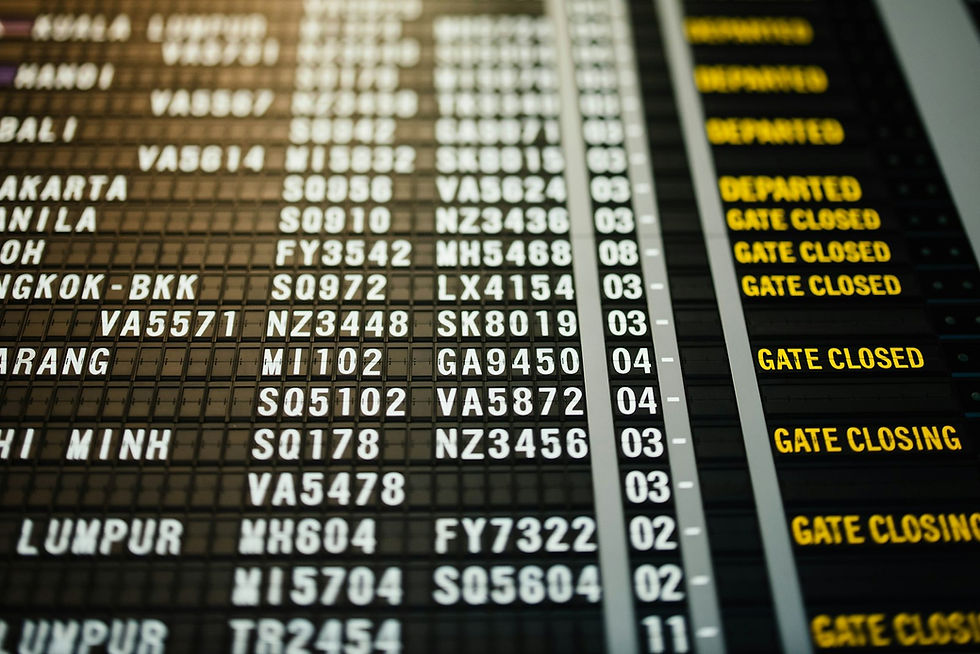
Book the flight only after the review and suture schedule is fixed in writing. Photo: Towfiqu barbhuiya / Unsplash
Thai, English or an interpreter
Thai-language coordination is less widespread in Seoul than Chinese or Japanese support, which reflects patient volumes rather than any judgement about the market. English is often the working language instead, and for many patients that is adequate for logistics but thinner than it should be for a discussion of surgical risk.
Decide in advance which language the consent conversation will take place in. Ask whether a Thai interpreter can be arranged for the consultation with the surgeon specifically, whether that is charged separately, and whether the written consent documents exist in Thai or English or only in Korean. If only verbal translation is available, ask for the key points to be set out in writing afterwards.
Where a clinic offers no Thai support at all and your English is not strong, engaging an independent interpreter is worth the cost. An interpreter paid by the clinic has a different relationship to the conversation than one paid by you, and for consent discussions that distinction matters.
Seoul against Bangkok: what actually differs
The honest comparison is not a single verdict. It varies by procedure, and the factors that decide it are mostly not the headline price.
Factor | Bangkok | Seoul |
Travel and recovery logistics | No flight, familiar language, family nearby | Flight of roughly six hours, accommodation and interpreting to arrange |
Operative volume in facial bone work | Available, lower concentration | High concentration of surgeons doing this repeatedly |
Device-based dermatology | Much of the same equipment available | Similar equipment, limited reason to travel for it alone |
Revision of a prior operation | Possible, depends on the surgeon | Often the reason patients travel, where structure must be rebuilt |
Cost of a complication | Managed locally at low added cost | Return travel may be required, so ask about this before surgery |
The last row is the one patients underweight. A complication at home is an inconvenience. The same complication after returning to Thailand is a travel decision as well as a clinical one, which is why the revision terms should be agreed in writing before the operation rather than after.
Length of stay and flight planning
The Bangkok to Incheon route is well served and roughly six hours, so frequency is not the constraint it is on thinner routes. Length of stay is therefore set purely by the clinical schedule.
Most facial procedures involve a review within the first week and suture removal somewhere in the first week to ten days. The procedure-by-procedure day count is set out in our guide to how long to stay in Korea for cosmetic surgery. Add at least one spare day before the first appointment, because pre-operative testing is done in Korea and an unexpected result can delay surgery, as covered in our guide to pre-operative tests at Korean clinics.
Avoid booking a non-changeable return fare. The cost of a flexible ticket is small against the cost of needing to stay two extra days and having no seat.
Aftercare once you are back in Thailand
Settle these in writing before you leave Seoul |
Who reviews your case remotely, and whether that is charged. What photographs the clinic wants, and at what intervals. The operative record, in a language your doctor in Thailand can read. Names and dosages of anything prescribed. What a revision would cost, and whether it requires returning to Korea. Which clinic in Thailand will remove sutures if you depart before removal. |
How remote review works in practice, including what genuinely cannot be assessed from a photograph, is covered in our guide to remote follow-up after returning home from Korea. If you are carrying prescribed medication, check the rules on both sides first, as set out in our guide to taking prescription medication home from Korea.
Identify a doctor in Thailand before you travel, not after you return. Someone who has agreed in advance to look at a wound is a different proposition from someone you are calling for the first time with a problem.
Frequently asked questions
Do Thai citizens need a visa for cosmetic surgery in Korea?
A bilateral exemption has long allowed Thai passport holders to make short visits without a visa, but the exemption covers short visits rather than extended treatment, and entry also depends on the electronic travel authorisation regime in force and on screening at arrival. Confirm the current position with a Korean diplomatic mission in Thailand before booking.
Why are Thai travellers sometimes refused entry at Incheon?
Arrival screening is a discretionary assessment carried out independently of any visa exemption. Clear documentation of purpose, funding, accommodation and a return ticket is the main thing within a traveller control. A concrete clinic appointment confirmation helps because it makes the purpose specific.
Is surgery in Korea cheaper than in Bangkok?
Not reliably, once flights, accommodation, interpreting and spare days are included. The stronger reasons to travel are technique-specific, particularly facial bone contouring and revision of a previous operation, rather than headline price.
Will the clinic provide a Thai interpreter?
Some do and many do not, since Thai-language support is less widespread than Chinese or Japanese support. Ask specifically about the consultation with the surgeon, whether interpreting is charged separately, and in which language the consent documents exist.
What happens if there is a complication after I return to Thailand?
That depends entirely on what was agreed in writing beforehand, which is why revision terms and remote review arrangements should be settled before the operation. Ask whether returning to Korea would be required and what it would cost.
Sources
Ministry of Health and Welfare, Republic of Korea
Ministry of Justice, Republic of Korea, immigration policy
Korea Health Industry Development Institute (KHIDI)
Korean Society of Plastic and Reconstructive Surgeons (KSPRS)
Korean Medical Association (KMA)
Related reading
About this guide: Korean Plastic Surgery Info is an independent information service operated from Seoul. We do not own or operate clinics and we receive no commission from clinics or agencies for referrals. This article covers administrative and travel planning only. It is not medical advice and it is not immigration advice. Entry requirements, electronic travel authorisation rules and visa categories are set by Korean policy and change, so confirm current requirements with a Korean diplomatic mission before booking. Clinical decisions belong with a licensed physician.

Comments