
Medical Travel from Australia to Korea for Cosmetic Surgery: Flights, Costs and Aftercare — A Complete Guide

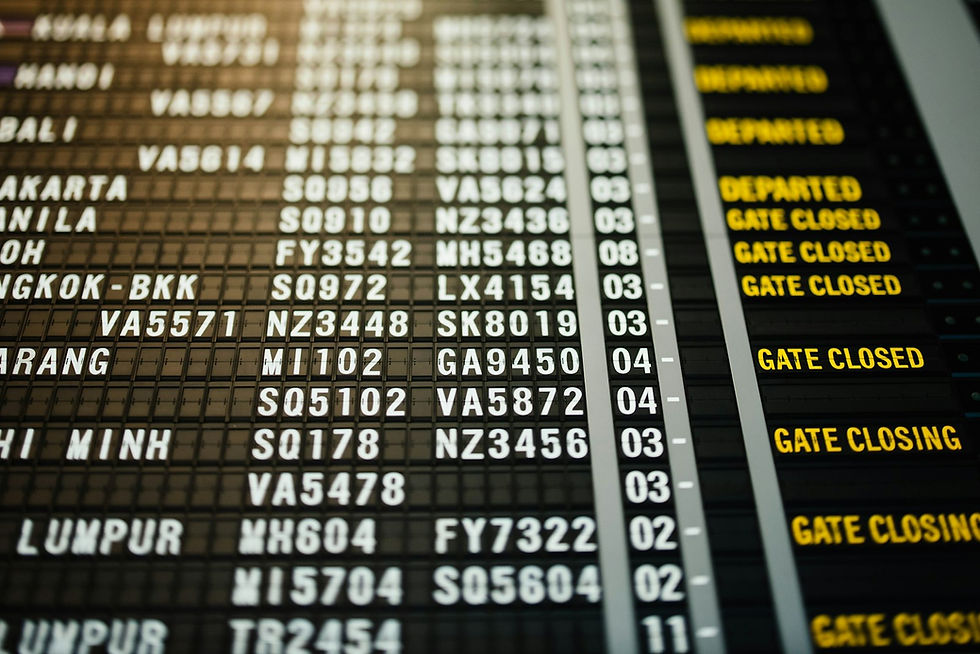
Most Australian medical travel to Seoul starts with a long-haul flight from an east-coast capital. Photo: Jamie Davies / Unsplash
Quick answer Medical travel from Australia to Korea for cosmetic surgery means a flight of roughly ten to fourteen hours to Seoul, a stay of about seven to twenty-one days depending on the procedure, and follow-up care arranged remotely after you fly home. Entry requirements, clinic verification and the return-flight window are the three things Australian patients most often get wrong. Price differences are real but narrower than headline figures suggest once flights, accommodation and time off work are counted.
In this guide
Entry rules and visa status for Australian passport holders
Australian passport holders have generally been able to enter Korea for short visits without applying for a visa in advance, and treatment inside that window is common practice. The complication is the Korea Electronic Travel Authorisation, usually shortened to K-ETA. Korea has adjusted which nationalities are temporarily exempt from it more than once, and those exemption periods have been extended and revised on short notice. Because the rule has moved repeatedly, the only reliable step is to check the official Korean immigration portal and your nearest Korean diplomatic mission within a few weeks of departure rather than relying on what a friend did last year.
If your treatment plan runs past the visa-free window, or your clinic proposes staged surgery over several weeks, Korea's short-term medical visa and its longer medical treatment status exist for exactly that situation. The clinic's international department normally issues the supporting documents, including a treatment plan and a confirmation of appointment. Ask for them early: assembling them after you have already booked flights is how patients end up rescheduling surgery. Confirm in writing who at the clinic is responsible for issuing the paperwork, and by what date.
Flight routes, duration and how to time your surgery date
Non-stop services between Sydney and Seoul run in the region of ten to eleven hours; Melbourne and Brisbane are broadly similar, while Perth and Adelaide usually require a connection and can push total travel time past sixteen hours. Treat the arrival day as a rest day, not a consultation day. A time difference of one to two hours is mild, but an overnight flight still affects blood pressure, swelling and how accurately you answer questions during a pre-operative assessment.
A workable pattern is to arrive two days before surgery, allowing one day to recover and one day for in-person consultation and pre-operative tests. Our guide to pre-operative tests at Korean clinics explains what can delay a scheduled operation. Book the return leg as a changeable fare. Swelling that resolves slowly, a delayed suture removal or a revision discussion are all ordinary reasons to move a flight by a few days, and a non-refundable ticket turns an ordinary adjustment into an expensive one.
What the cost gap actually looks like from Australia
Australian patients usually start by comparing clinic quotes, which is the wrong starting point. The useful comparison is the landed cost: surgery, anaesthesia, hospital or recovery fees, flights, accommodation, interpreting if it is charged separately, and unpaid leave. Korean quoted fees for common facial and eyelid procedures are frequently lower than Australian equivalents, but flights from Australia are among the more expensive inbound routes to Seoul, which compresses the gap. For smaller procedures the saving can disappear entirely once travel is included.
The ranges below are broad indications only, compiled from publicly reported clinic pricing rather than from any single official schedule, and they move with exchange rates, surgeon seniority and the complexity of your case. Use them to decide whether a trip is worth investigating, not to budget. Our line-by-line method for comparing quotes sets out which line items are commonly excluded from a first quotation.
Cost component | Typical range (Korea) | What changes it |
Quoted surgical fee | Varies widely by procedure and surgeon tier | Primary vs revision, surgeon seniority, hospital grade |
Anaesthesia and facility | Often quoted separately | Local vs sedation vs general; overnight stay |
Return flights from Australia | Among the higher inbound fares to Seoul | Season, origin city, direct vs connecting |
Accommodation, 7-21 nights | Depends on district and room type | Gangnam proximity, serviced vs hotel vs guesthouse |
Interpreting and coordination | Sometimes bundled, sometimes billed | Whether an agency is involved |
Unpaid leave or lost income | Often the largest hidden item | Procedure downtime and your employment type |
Choosing and verifying a clinic from the other side of the world
Distance removes the informal checks Australians rely on at home: a referral from a GP, a clinic you can walk into, a regulator you know how to search. Replace them deliberately. Confirm that the clinic is registered to treat foreign patients, that the person who will operate is a specialist in the relevant field, and that the surgeon named in your consultation is the surgeon who will be in theatre. Korean professional bodies such as the Korean Society of Plastic and Reconstructive Surgeons maintain membership information that can be used as one cross-check among several.
If an agency approached you rather than the other way round, verify its registration before sending money. Our guide to checking whether a Korean medical tourism agency is legally registered covers the registry search. Be sceptical of any party that discourages direct contact with the clinic, quotes a price contingent on booking today, or cannot explain in writing what happens if a complication arises after you leave Korea.

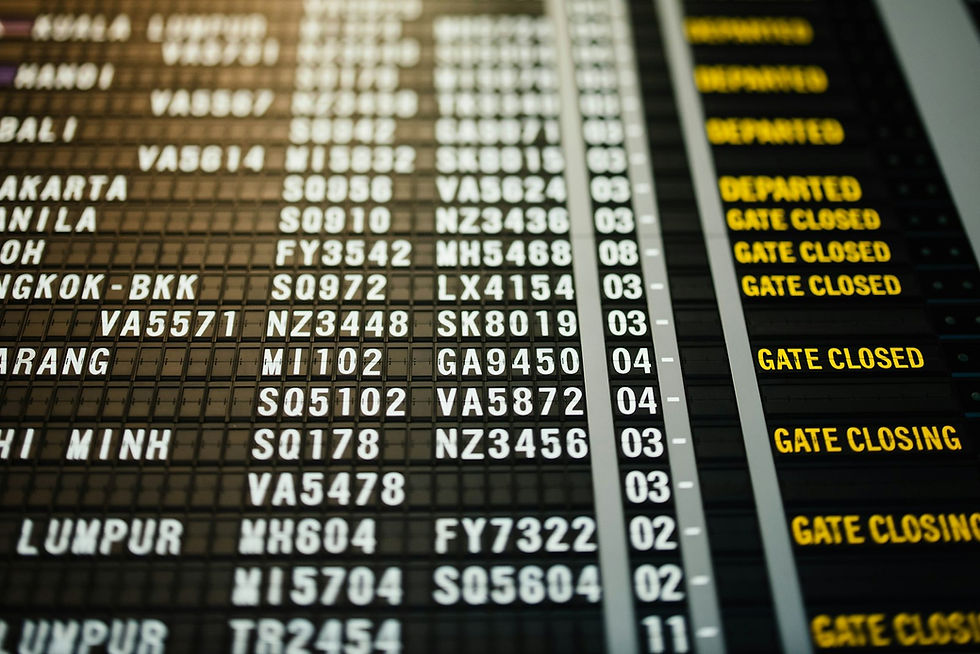
Direct Sydney-Seoul services run roughly ten to eleven hours; connecting routes add half a day. Photo: Yzy Pop / Unsplash
Language support, consent and the consultation itself
English-language support in Seoul's larger clinics is generally good, but quality varies and the person translating is not always clinically trained. Ask in advance whether interpreting is provided by a staff member, a contracted interpreter or an agency, and whether the same person will be present for consent. Consent is the moment where translation quality matters most: you are agreeing to a specific operation, a specific set of risks and a specific revision policy.
Read the paperwork before the day of surgery, not in the pre-operative room. Our guide to consent forms and treatment contracts at Korean clinics explains what the standard documents cover. Request an English copy, keep it, and photograph every signed page before you hand it back.
Important No clinic can guarantee a surgical result, and any clinic that offers a guarantee is making a claim no surgeon can support. This guide is general information for planning a trip; it is not medical advice, and it is not a substitute for an in-person assessment by a qualified specialist who has examined you. |
How long to stay in Seoul, and where
The stay length is set by your procedure, not by your flight schedule. Non-incisional eyelid work and injectables may need only a few days; incisional eyelid surgery, rhinoplasty and facial bone work commonly require two to three weeks before long-haul flying is sensible, because sutures, splints and swelling all need review. Procedures involving general anaesthesia and prolonged immobility also carry travel-related clotting considerations, which is one reason clinics advise against flying home too early. Our procedure-by-procedure day count gives indicative windows.
Choose accommodation for the recovery, not the sightseeing. Lifts, a short walk to the clinic, a quiet room and somewhere to buy soft food matter more than a view. Our notes on recovery accommodation in Seoul and on getting around after surgery cover the practical side, including airport transfers when you are not able to carry luggage.
Flying home and managing aftercare from Australia
Aftercare is where long-distance medical travel most often falls short, because the follow-up appointments a Korean clinic would normally schedule become impossible once you are in Australia. Settle this before surgery, in writing: who reviews your photographs, how often, through which channel, in what language, and at what cost. Ask what happens if an Australian doctor needs to speak to the operating surgeon, and whether the clinic will release records in English.
Leave Korea with your operation record, a list of what was implanted or injected with product names and lot numbers where applicable, and your medication list. Our guides to remote follow-up after returning home and taking prescription medication home from Korea cover both. Identify an Australian GP or specialist willing to see you for wound checks before you travel, because finding one while swollen and jet-lagged is harder than it sounds.
Frequently asked questions
Do Australians need a visa for cosmetic surgery in Korea?
Short visits by Australian passport holders have generally not required a visa in advance, and treatment within that period is common. Whether an electronic travel authorisation is required has changed several times, and longer or staged treatment may need a medical visa, so confirm your own case with the Korean immigration authority or your nearest Korean diplomatic mission close to departure.
How long after surgery can I fly back to Australia?
It depends on the procedure. Minor injectable treatments may allow travel within days, while incisional eyelid surgery, rhinoplasty and facial bone work commonly involve two to three weeks in Korea so that sutures, splints and swelling can be reviewed. Ask your surgeon for a specific clearance date rather than assuming a general rule applies to you.
Is cosmetic surgery in Korea actually cheaper for Australian patients?
Quoted surgical fees in Korea are frequently lower than Australian equivalents for several common procedures, but flights from Australia are relatively expensive and accommodation for two to three weeks is substantial. For smaller procedures the saving may disappear once travel and leave are included. Compare landed cost, not clinic quotes.
What happens if something goes wrong after I return home?
This should be agreed in writing before surgery. Confirm the clinic's revision policy, who pays for a return trip, how remote review works and whether records will be released in English. Korea also has formal routes for medical dispute resolution involving foreign patients, but they are considerably harder to use from overseas.
Can I bring a companion, and should I?
Yes, and for procedures involving general anaesthesia or significant immobility it is worth it. A companion can manage transport, pharmacy visits and meals during the first week, and can act as a second listener during consent discussions. Confirm with the clinic whether a companion may stay overnight if an inpatient night is planned.
Sources
Korea Health Industry Development Institute (KHIDI)
Korean Society of Plastic and Reconstructive Surgeons (KSPRS)
Korean Medical Association (KMA)
Korea Immigration Service, Ministry of Justice
PubMed, for peer-reviewed literature on travel after surgery
Related reading
How long to stay in Korea for cosmetic surgery: a procedure-by-procedure day count
Paying for cosmetic surgery in Korea: cards, cash, wire transfers and VAT refunds
Medical travel from Kazakhstan to Korea: visa, flights, interpreters and payment
Revision policies at Korean clinics: what is covered and what costs extra
Medical dispute resolution in Korea: options for foreign patients
About this guide: Korean Plastic Surgery Info is an independent information service for international patients considering treatment in Korea. We do not operate, own or manage any clinic or hospital, and we do not take commission on bookings or referrals. Nothing here is medical advice or a recommendation of any provider; always obtain an in-person assessment from a qualified specialist before deciding on a procedure.

Comments