
Temple Filler and Temporal Hollowing in Korea: Volume, Vascular Risk and Longevity - A Complete Guide
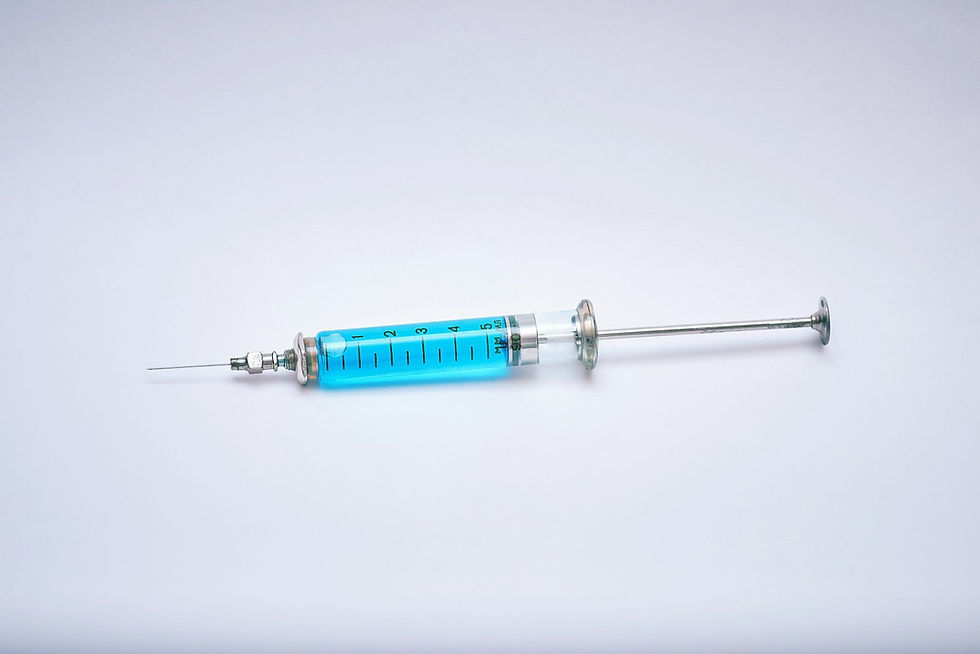
Product choice and injection depth matter more in the temple than almost anywhere else on the face. Photo: Oleg Moroz / Unsplash
Quick answer Temple filler treats temporal hollowing by restoring volume in the depression between the brow tail, the hairline and the cheekbone. Korean clinics typically use one to two millilitres per side, placed either deep on the bone or in the superficial fat layer, and results commonly last around nine to eighteen months with hyaluronic acid. The temple is an anatomically high-risk site because large vessels run through it, so operator experience and injection plane matter more here than product brand.
In this guide
Hollow temples are one of the quieter signs of facial ageing. Patients rarely arrive asking for them to be treated by name, but they often describe looking tired or gaunt, or notice that glasses sit differently and that the brow tail has dropped. Temporal filler is a short, low-downtime treatment that addresses this directly, and it has become a routine part of Korean full-face plans. It is also, anatomically, one of the least forgiving places on the face to inject. This guide explains why the temples hollow, what filler can and cannot change there, how product choice and injection plane interact, what volumes and longevity are realistic, and which safety questions are worth asking before you consent. Figures are typical ranges, not quotes, and this is not medical advice.
Why the temples hollow
Temporal hollowing is usually multifactorial. The superficial and deep temporal fat compartments lose volume with age, the temporalis muscle can atrophy, and the underlying bone remodels and loses projection over decades. Significant weight loss accelerates all of it, which is why rapid slimming often makes the temples the first area to look drawn. A proportion of hollowing is also structural rather than age-related: some faces simply have a narrow temporal width and a prominent zygomatic arch, which reads as hollowness in the twenties. Distinguishing these matters because an age-related hollow responds predictably to volume, whereas a constitutional one may need less product than the patient expects and can look overfilled quickly. This is the same reasoning applied to facial volume decisions generally.
What filler can and cannot do in the temple
Restoring temporal volume widens the upper third of the face, softens the transition from brow to hairline, and can give a modest indirect lift to the brow tail because the overlying tissue is resuspended rather than pulled. It also reduces the shadow that makes the eye area read as tired. What it does not do is lift the eyelid, correct true brow ptosis, or change the bony outline of the zygomatic arch.
Patients who want the brow itself raised are usually better served by considering the options compared in our guide to brow lift versus upper blepharoplasty. Over-correction is the common aesthetic error here: a temple filled beyond its natural contour looks convex and masculinising in some faces, and because the area is mobile the excess becomes more visible with expression rather than less.

Topical care does not address volume loss; it is a separate layer of treatment. Photo: Maria Lupan / Unsplash
Product choice: hyaluronic acid versus biostimulators
Hyaluronic acid remains the default for the temple, principally because it can be dissolved with hyaluronidase if a vascular problem or a contour error occurs. Within HA, a firmer, higher-cohesivity gel is usually chosen for deep supraperiosteal placement, while a softer gel is preferred if the injector works superficially. Collagen-stimulating products such as poly-L-lactic acid or calcium hydroxylapatite are also used in the temple and can give a more gradual, tissue-like result over months, but they are not reversible, and nodules in a thin, mobile area are harder to manage. Our comparisons of biostimulatory fillers against hyaluronic acid set out that trade-off in more detail. For a first temple treatment, reversibility is a reasonable thing to prioritise.
Factor | Hyaluronic acid | Collagen stimulator |
Visible result | Immediate | Gradual over 2-3 months |
Reversible | Yes, with hyaluronidase | No |
Typical duration | About 9-18 months | Often longer, less predictable |
Usual plane in temple | Deep on bone or subdermal | Usually deep or subdermal |
Main drawback | Needs repeating | Nodules harder to manage |
Suitability for a first treatment | Generally preferred | Usually after experience of HA |
A general comparison; individual products within each class differ considerably. Photo: Oleg Moroz / Unsplash
Injection planes and the anatomy that makes temples high-risk
The temple carries the superficial temporal artery and vein in the superficial fascia, the middle temporal vein deeper, and anastomotic connections that communicate with the ophthalmic circulation. Inadvertent intravascular injection here has been associated with vision loss and, through the venous route, with embolic complications, which is why this site is treated as high-risk in every published safety discussion. Two planes are used to reduce that risk: deep placement directly on the bone beneath the temporalis fascia, delivered perpendicular with a small volume and careful aspiration, or superficial subdermal placement well above the vessels. Injecting into the middle layer, where the large vessels sit, is what practitioners specifically avoid. Cannulas are often preferred superficially, needles for the deep bolus.
Volume, technique and how long results last
Most clinics place one to two millilitres per side for a moderate hollow, and treat conservatively at a first session with a review at two to four weeks rather than filling to the final target in one visit. HA in the temple commonly lasts around nine to eighteen months, somewhat longer than in highly mobile areas such as the lips, because the deep plane is relatively static. Biostimulators build over two to three months and may persist longer, though with less predictability. Swelling for two to five days and occasional bruising are the usual aftermath, so a visitor should allow a few days before an important event. This is a treatment that fits comfortably inside a short trip, unlike the longer windows set out in our procedure-by-procedure day count.
Cost structure in Korean clinics
Temple filler is normally priced per millilitre of product rather than per area, which means the quoted figure depends heavily on how much the clinic expects to use and on which brand is chosen. Korean domestic HA brands are generally priced below imported ones, and clinics often present a package covering several facial areas in one session, which can obscure the per-area cost. Ask for the product name, the number of millilitres and the price per millilitre separately, and ask whether a review appointment and any top-up within a few weeks is included or charged again. Our breakdowns of domestic HA filler brands and of high-concentration HA brands explain why the brand named on the syringe is a legitimate thing to ask about.
Safety questions worth asking before consenting Is hyaluronidase kept on site, and who is trained to use it? Which injection plane will be used, and will a needle or cannula be used? What is the written protocol if blanching or visual symptoms occur during injection? Who do I contact after hours, and after I return home? |
Complications and what to ask before you consent
Common and self-limiting problems include swelling, bruising, mild asymmetry and palpable firmness. The serious concerns are vascular: skin blanching or disproportionate pain during injection, visual disturbance, or progressive discolouration afterwards all require immediate attention rather than reassurance. Because of this, it is reasonable to ask whether hyaluronidase is stocked on site, what the clinic's written protocol is if a vascular event occurs, and who you contact after hours or once you have flown home. Delayed inflammatory nodules can appear months later, sometimes after an infection or vaccination, and are usually managed medically. Asking these questions is not adversarial; clinics that treat international patients routinely expect them, and the answers are a reasonable proxy for how seriously a clinic takes the site.
Frequently asked questions
How much filler do the temples usually need?
One to two millilitres per side is a common starting point for a moderate hollow, but the requirement varies widely with bone structure and the degree of atrophy. A conservative first session with a review at two to four weeks is generally safer than filling to the final target in one visit, because swelling makes it hard to judge the endpoint on the day.
Is temple filler more dangerous than filler elsewhere in the face?
It is treated as a higher-risk site. Large vessels run through the temporal region and there are connections to the ophthalmic circulation, so intravascular injection has been associated with serious complications including visual disturbance. Risk is reduced by correct plane selection and technique, which is why operator experience matters more here than product brand.
Will filling my temples lift my eyebrows?
It can give a modest indirect lift to the outer brow by supporting the tissue above it, but it does not lift the eyelid or correct true brow ptosis. If brow position rather than volume is the main concern, surgical options are a different conversation and worth assessing separately.
Can temple filler be dissolved if I do not like it?
Hyaluronic acid can be dissolved with hyaluronidase, which is one of the main reasons it is preferred for a first temple treatment. Collagen-stimulating products cannot be dissolved, so an unsatisfactory contour or a nodule has to be managed by other means and may take time to settle.
How soon can I fly after temple filler?
There is no established restriction on flying after filler, and most clinics do not impose one. The practical consideration is appearance rather than safety: swelling and bruising peak in the first few days, so if you have a scheduled event, allow several days. Avoid firm pressure on the area, including tight headwear, for the first day or two.
Sources
Korean Society of Plastic and Reconstructive Surgeons (KSPRS)
Korean Dermatological Association
Ministry of Food and Drug Safety (MFDS), Republic of Korea
PubMed, peer-reviewed literature on temporal filler anatomy and vascular complications
Related reading
About this guide: Korean Plastic Surgery Info is an independent information service for international patients. We do not operate clinics, do not perform procedures and do not receive commission on treatment bookings. This article is general information, not medical advice, and does not replace an in-person consultation with a licensed specialist.


Comments