
Hyperhidrosis Treatment in Korea: Botulinum Toxin, Microwave Devices and Surgical Options - A Complete Guide

Excessive sweating is managed in tiers, from antiperspirants upward. Photo: Mads Leif Hansen / Unsplash
Quick answer Hyperhidrosis treatment in Korea is organised in tiers: prescription-strength topical aluminium salts and oral anticholinergics first, then botulinum toxin injection, then energy-based devices that damage sweat glands permanently, and surgery only in selected cases. Botulinum toxin to the underarms is the most commonly requested option and typically lasts four to nine months. Device treatments aim for lasting reduction in one or two sessions. Clinics usually ask for a short stay of one to three days because most options are outpatient.
In this guide
Excessive sweating is one of the few aesthetic complaints that is also a medical diagnosis, and that distinction shapes everything about how it is treated. Patients who arrive in Seoul asking for a single permanent fix usually find the consultation moves more slowly than expected, because clinicians want to establish whether the sweating is primary and focal or secondary to something systemic before they treat it. This guide sets out what the tiers of treatment actually are, how botulinum toxin and energy-based devices differ in mechanism and durability, where surgery still has a role and where it has largely been abandoned, and what an international patient should expect from a Korean clinic visit. Figures are typical ranges, not quotes, and this is not medical advice.
What hyperhidrosis is and how clinics classify it
Clinicians separate primary focal hyperhidrosis, which begins in adolescence and affects specific sites such as the underarms, palms, soles or scalp, from secondary generalised hyperhidrosis, which is caused by an underlying condition or a medication and appears more diffusely. The distinction matters because the secondary form is treated by addressing its cause, not by injecting the skin. A reasonable consultation therefore asks about onset age, symmetry, whether sweating occurs during sleep, family history and current medications. Severity is usually graded by how far sweating interferes with daily activity rather than by measured volume. Clinics that skip this step and move straight to a price list are worth approaching with the same caution you would apply when vetting any Korean clinic.
Topical and oral first-line options
Aluminium chloride hexahydrate solutions at prescription strength remain the standard first step for axillary sweating, applied at night to dry skin so the salt can form plugs in the sweat ducts. Irritation is the common reason patients abandon them. Topical glycopyrronium preparations work on the same anticholinergic principle as oral tablets but with less systemic exposure, and are used for axillary and sometimes facial sweating.
Oral anticholinergics such as glycopyrrolate or oxybutynin can help generalised cases but commonly produce dry mouth, blurred vision or constipation, and are not suitable for everyone. Iontophoresis, which passes a weak current through water, is mainly used for palms and soles and requires repeated maintenance sessions, which makes it impractical as a reason to travel abroad for treatment.

First-line treatment is pharmacological before it becomes procedural. Photo: Arpad Czapp / Unsplash
Botulinum toxin injection: protocol, duration and brands
Botulinum toxin blocks the acetylcholine signal that triggers the sweat gland, and for focal axillary hyperhidrosis it is the most frequently performed treatment in Korean aesthetic clinics. A starch-iodine test is sometimes used to map the most active area before injection. Treatment is a grid of small intradermal injections, typically around 50 units per underarm although protocols vary, delivered under topical anaesthetic cream or ice. Effect begins within two to seven days and commonly lasts four to nine months, after which it is repeated. Palmar treatment is more painful and carries a small risk of temporary hand weakness. Korea has an unusually wide domestic toxin market, so it is worth asking which product is being used; our comparisons of Nabota, Botulax and Hutox and of Innotox, Coretox and Meditoxin explain why unit counts are not interchangeable between brands.
Option | Mechanism | Typical duration | Sessions | Main drawbacks |
Prescription topical salts | Blocks sweat ducts | Days, with ongoing use | Continuous at home | Skin irritation, poor adherence |
Topical or oral anticholinergic | Blocks nerve signal | Hours to a day per dose | Continuous at home | Dry mouth, blurred vision |
Botulinum toxin injection | Blocks nerve signal at gland | About 4-9 months | Repeat as needed | Temporary, cost recurs |
Microwave device | Thermally destroys glands | Intended to be lasting | Usually 1-2 | Swelling, lumps, altered sensation |
Local gland removal surgery | Removes glands | Lasting | 1 | Scarring, haematoma risk |
Thoracic sympathectomy | Interrupts nerve chain | Lasting | 1 | Compensatory sweating, selective use only |
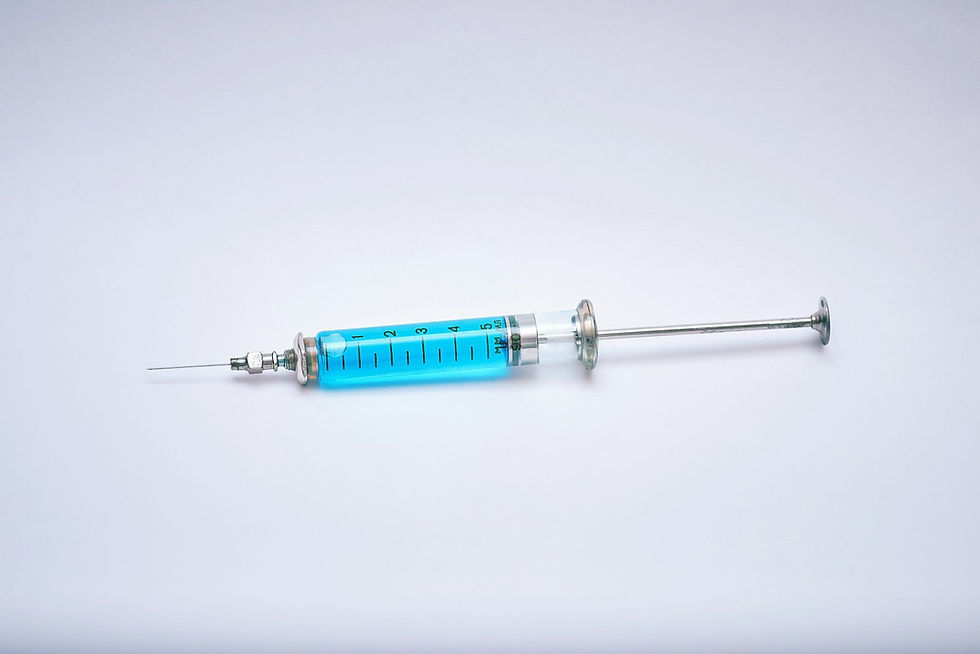
Durations are typical reported ranges and vary by individual and protocol. Photo: Mads Leif Hansen / Unsplash
Microwave and other energy-based devices
Microwave-based systems deliver energy that heats the interface between dermis and subcutaneous fat, where sweat glands sit, with simultaneous cooling of the skin surface. Because sweat glands do not regenerate, the reduction is intended to be lasting, which is the central appeal compared with repeat injections. Most patients are treated once or twice, spaced several weeks apart, under local anaesthetic infiltration. Swelling, firm lumps and altered sensation in the treated area are common for days to weeks and usually settle. Radiofrequency microneedling and focused ultrasound have also been used off-label for axillary sweating with less consistent published evidence. Devices sold under the same marketing category can differ substantially in depth and energy delivery, much as RF microneedling platforms do, so the specific device name matters more than the category.
Surgical options and why they are now limited
Local surgical approaches remove or destroy axillary sweat glands directly, through subdermal curettage, suction curettage or limited excision. These can achieve substantial lasting reduction but carry scarring, haematoma and skin necrosis risks, and are generally reserved for cases that have failed less invasive treatment. Endoscopic thoracic sympathectomy interrupts the sympathetic chain and is effective for severe palmar sweating, but compensatory sweating elsewhere on the body is a well-recognised and sometimes permanent consequence, which is why it is now offered far more selectively than it once was and belongs in a thoracic surgical setting rather than an aesthetic clinic. Any clinic proposing sympathectomy as a routine cosmetic option should prompt a second opinion.
What a clinic visit involves for an international patient
Most options here are outpatient, so the practical burden is lower than for surgical tourism. Injection appointments are often completed in a single visit of under an hour, and device sessions usually take one to two hours including anaesthetic infiltration. The planning question is whether you need a second session, which for device treatment often falls three months later and realistically means either a second trip or accepting a single-session result. Payment is normally self-pay; sweating treatments may be reimbursable at home in some systems but Korean clinics will not bill a foreign insurer directly, so read our guide on paying for treatment in Korea and keep itemised receipts. Interpretation support varies by clinic and is worth confirming before booking.
See a physician rather than an aesthetic clinic if Sweating began in adulthood rather than adolescence, or is generalised rather than focal. You sweat heavily during sleep, or have fever, weight loss or palpitations. Sweating started after beginning a new medication. One side of the body is affected and the other is not. |
Choosing between the options: a practical framework
The decision usually turns on three questions. First, how localised is the sweating: focal underarm sweating has the widest range of effective options, while palmar and plantar sweating narrows the field considerably. Second, how do you weigh permanence against reversibility: injections are predictable and undoable but recurring, whereas device and surgical treatment aim for permanence and accept irreversibility. Third, how many trips can you make: a treatment needing two sessions three months apart is a different proposition for someone flying from abroad than for a Seoul resident. A reasonable approach is to confirm the diagnosis and try topical treatment at home, then use a single trip for either injection or a device session depending on which trade-off you prefer.
Frequently asked questions
Is botulinum toxin for sweating the same injection as for wrinkles?
The drug is the same class, but the technique is different. Wrinkle treatment targets muscle; sweat treatment is a grid of shallow intradermal injections across the skin of the affected area, and the total number of units is usually higher. Because dosing conventions differ between Korean brands, ask which product and how many units are planned.
Will a microwave device treatment stop sweating permanently?
Sweat glands do not regenerate, so the reduction achieved is generally lasting rather than temporary. That is not the same as complete elimination; published results describe substantial reduction rather than a dry armpit, and some patients choose a second session. Ask the clinic what proportion of their patients return for a second treatment.
Does treating the underarms make you sweat more elsewhere?
Localised treatment of the underarms is not generally associated with meaningful compensatory sweating. That phenomenon is specifically associated with thoracic sympathectomy, which interrupts the nerve chain supplying a wide area, and it is one of the main reasons that operation is now used selectively.
Can palm sweating be treated on a short trip to Korea?
Botulinum toxin injection to the palms can be done in one visit, but it is considerably more painful than underarm treatment, often requires nerve block, and carries a small risk of temporary weakness in grip strength. Iontophoresis, the other common palm treatment, needs repeated sessions and is impractical for a visitor.
Will insurance at home reimburse treatment performed in Korea?
That depends entirely on your own policy and health system, not on the Korean clinic. Primary hyperhidrosis is a recognised medical condition in many systems, which sometimes helps, but Korean clinics treat international patients on a self-pay basis. Request an itemised receipt and a treatment record in English before you leave.
Sources
Korean Dermatological Association
Korean Medical Association (KMA)
Ministry of Food and Drug Safety (MFDS), Republic of Korea
PubMed, peer-reviewed literature on primary focal hyperhidrosis
Related reading
Nabota, Botulax and Hutox: how Korean botulinum toxin brands differ
Secret RF, Genius RF and Morpheus8: RF microneedling platforms compared
Korean clinic credentials: board certification, KSPRS membership and hospital tiers
Paying for cosmetic surgery in Korea: cards, cash, wire transfers and VAT refunds
About this guide: Korean Plastic Surgery Info is an independent information service for international patients. We do not operate clinics, do not perform procedures and do not receive commission on treatment bookings. This article is general information, not medical advice, and does not replace an in-person consultation with a licensed specialist.


Comments