
Anemia and Low Hemoglobin Before Cosmetic Surgery in Korea: Thresholds, Iron Correction and Blood Loss - A Complete Guide

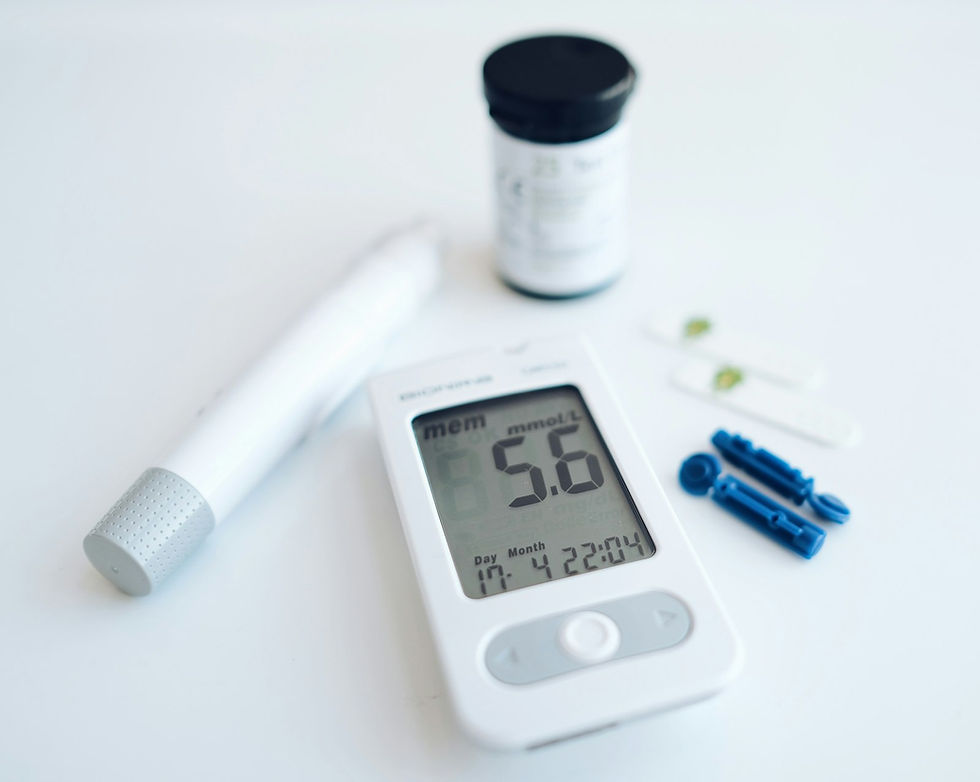
Hemoglobin sits on almost every pre-operative blood panel a Korean clinic orders. Photo: Testalize.me / Unsplash
Quick answer Anemia means a hemoglobin concentration below the cutoff for your age, sex and physiological status, and the World Health Organization updated those cutoffs in a 2024 guideline [3]. Korean clinics check it in the pre-operative blood panel because preoperative anemia is linked to more transfusion, more infection and longer hospital stays in pooled surgical data [1]. Mild anemia rarely stops a short procedure. It matters most for long body-contouring operations, and correcting it takes weeks, so it is a planning problem rather than an arrival problem.
In this guide
Hemoglobin is one of the least discussed numbers in medical travel and one of the most likely to move your surgery date. It appears on the standard pre-operative blood panel that Korean clinics order, it cannot be improved in the days between landing and your operation, and a low value on an operation with meaningful blood loss gives a surgeon a straightforward reason to wait. For international patients that waiting happens expensively, in a hotel, with a return flight already booked. This guide sets out how anemia is defined, what the published surgical evidence associates with it, what the iron-supplementation trials do and do not show, and how to build the test-and-retest sequence into your planning months before you fly.
Why hemoglobin is on every Korean pre-operative panel
A complete blood count is close to universal in pre-operative screening, and hemoglobin is the value in it that most directly concerns a surgeon planning an operation with blood loss. The reason is mechanical rather than mysterious: a patient who starts low has less reserve, so the same volume of surgical bleeding carries them closer to the point where a transfusion becomes a question. That is why hemoglobin sits alongside coagulation and electrolytes on the panel described in our guide to pre-operative tests at Korean clinics.
The international-patient context sharpens it. A Korean clinic treating a domestic patient can defer, treat the anemia and operate six weeks later with little friction. For a patient who has flown in, the same decision means a cancelled slot and an argument about deposits. Clinics therefore prefer to see the number early, at the screening stage, which is the same logic that drives their questions about BMI and nicotine use.
The practical implication is that hemoglobin belongs in your first document set, not in the consultation on arrival. If it is low, the useful conversation is about timing and correction, and that conversation needs weeks.
How anemia is defined, and how common it is
Anemia is defined by a hemoglobin concentration below a cutoff that depends on age, sex and physiological status. The WHO published an updated guideline on those cutoffs on 5 March 2024, intended to give evidence-informed normative statements on using hemoglobin concentrations to assess anemia [3]. Because cutoffs differ by group — and because your clinic will apply its own laboratory's reference range — the number that matters is the one on your report next to that laboratory's stated range, not a figure you remember from elsewhere.
Prevalence tells you this is not a rare finding. WHO's anemia fact sheet, dated 10 February 2025, reports anemia in 40% of children aged 6-59 months (269 million), 37% of pregnant women (32 million in 2019) and 30% of women aged 15-49, about half a billion women, with 539 million non-pregnant women affected in 2019 [4]. In surgical populations specifically, a 2024 systematic review and meta-analysis of 21 studies and 369,101 patients undergoing lower-extremity joint replacement found a pooled preoperative anemia prevalence of 22% (95% CI 17-27%) [1].
Group | Reported prevalence | Source and year |
Surgical patients before lower-limb joint replacement (pooled) | 22% (95% CI 17-27%) | Meta-analysis of 21 studies, 369,101 patients, 2024 [1] |
Same pooled analysis, patients in Asia | 26.5% (95% CI 19.7-33.8%) | Same meta-analysis, 2024 [1] |
Same pooled analysis, female patients | 25.5% (95% CI 19.5-32.1%) | Same meta-analysis, 2024 [1] |
Women aged 15-49 worldwide | 30% (about half a billion women) | WHO fact sheet, 10 February 2025 [4] |
Children aged 6-59 months worldwide | 40% (269 million) | WHO fact sheet, 10 February 2025 [4] |
Two details in that table are worth keeping. The Asian subgroup estimate was higher than the European one at 16.9% (95% CI 13.0-21.1%), and the female estimate was higher than the male estimate of 22.8% [1] — so for the demographic that makes up much of Korea's cosmetic surgery inbound traffic, a low result is a realistic possibility rather than an edge case. Heterogeneity in that analysis was extremely high, which the next section addresses.
Which cosmetic procedures lose enough blood to matter
Blood loss is not evenly distributed across cosmetic surgery. A short eyelid procedure under local anesthetic and a multi-hour body-contouring operation with large undermined areas sit at opposite ends of the same screening question, and clinics treat them differently. Operative time, the size of the raw surface created, and whether an overnight stay is planned are the variables a surgeon weighs against your starting hemoglobin.
We are deliberately not publishing procedure-by-procedure blood loss figures here. The sources verified for this guide examined joint replacement and major surgery generally [1][2], not aesthetic operations, and inventing a number for a liposuction case would be worse than leaving the gap visible. Ask your surgeon for their own figure for your operation, and ask it as a direct question: what blood loss do you expect, and at what hemoglobin would you postpone?
What you can plan around is duration and recovery load, both of which we cover in our procedure-by-procedure guide to how long to stay in Korea. If your operation is on the longer end of that range, treat the hemoglobin question as a scheduling constraint from the start.
What the evidence links to preoperative anemia

A repeat test after treatment is what clinics want to see, not a single low value. Photo: National Cancer Institute / Unsplash
The 2024 meta-analysis reported that patients with preoperative anemia had higher risks of infection, transfusion, lower-limb deep vein thrombosis, longer hospital stay, three-month readmission and mortality than patients without it [1]. It also broke prevalence down by procedure — 15.2% before primary total hip replacement, 18.2% before primary total knee replacement, 35.7% before revision hip and 38.3% before revision knee surgery — which shows the pattern most relevant to aesthetic patients: revision operations screen worse than primary ones [1].
The honest caveats are substantial. All 21 included studies were retrospective cohorts, only three were rated high quality against 18 moderate, heterogeneity for the pooled prevalence estimate reached I-squared of 100%, and some data were available only in graphs [1]. A pooled prevalence with that level of heterogeneity is a descriptive signal, not a precise estimate.
How to use these numbers The cited outcomes come from lower-extremity joint replacement, not cosmetic surgery. They justify screening; they do not predict your personal risk for a facelift or a liposuction case. No source verified for this guide reports a hemoglobin value at which cosmetic surgery becomes safe or unsafe. Any clinic quoting a universal threshold should be asked where it comes from. Anemia has causes, and some of them need investigating rather than supplementing. A newly discovered low hemoglobin is a reason to see your own doctor, not only a number to raise before surgery. |
Can it be corrected before you fly?
This is where the evidence is more specific and more limited than most patients expect. A 2025 systematic review and meta-analysis in the Brazilian Journal of Anesthesiology pooled eight randomised controlled trials and one post-hoc RCT analysis, covering 1,162 non-anemic patients undergoing major surgery, 627 of whom received preoperative iron [2]. Transfusion, the primary outcome, was lower in the iron group at an odds ratio of 0.54 (95% CI 0.40-0.75, p < 0.001) across 1,093 patients in eight studies [2].
The subgroup detail matters more than the headline. The effect was clear in cardiac surgery (OR 0.49, 0.33-0.72, p = 0.0003) but not statistically significant in non-cardiac surgery (OR 0.67, 0.40-1.14, p = 0.14), and the authors' trial sequential analysis indicated the non-cardiac subgroup was underpowered. Intravenous iron reached significance (OR 0.59, 0.39-0.89, p = 0.01) while oral iron did not (OR 0.54, 0.29-1.02, p = 0.06). Hemoglobin on the first postoperative day was higher by a mean difference of 0.22 g/dL (0.02-0.42, p = 0.03), but the difference at the end of the first postoperative week was not significant (MD 0.12 g/dL, -0.12 to 0.35, p = 0.34) [2].
Note also what that trial population was: non-anemic patients. It is evidence about supplementing people whose hemoglobin was already normal, which is not the same question as treating established anemia. Treatment of actual anemia depends on its cause and belongs to your own physician. What the trial data supports for a planning patient is the timeline: these are interventions measured over weeks before an operation, which is the opposite of something arranged after you land.
What to send the clinic, and when to retest
Build the document set so the clinic can see both the value and the trajectory. A single low reading invites a delay; a low reading followed by a treated, retested, improved reading invites a date.
Ten to twelve weeks out: get a complete blood count from your own doctor and tell them the planned surgery date. If hemoglobin is below your laboratory's range, this is when investigation and treatment still fit in the calendar.
Ask the Korean clinic, in writing, which pre-operative results they accept from your home country and which they insist on repeating in Seoul.
If you are treated for anemia, agree the retest interval with your physician and schedule the repeat test so the result arrives before your final confirmation, not after.
Send the original report and the repeat report together, each with its collection date and the laboratory's reference range printed on it.
Include the full medication and supplement list, iron preparations included, with doses.
Keep a copy of everything for the return journey, in line with the clinical records checklist we recommend for every international patient.
If you are also comparing quotes, ask whether repeat laboratory work is billed separately. It is a common post-screening line item, and it belongs in the same category as the charges in our guide to hidden costs at Korean clinics.
On the day: what gets rescheduled
Most Korean clinics re-run their own blood work before operating, whatever you brought with you, and their laboratory's value is the one the surgeon acts on. If that value is lower than expected, the decisions available are to proceed with a modified plan, to shorten or stage the procedure, or to postpone. Which one applies is a clinical judgement, and a clinic willing to explain its reasoning is a better sign than one that simply reassures you.
The two things worth settling before that morning are financial and logistical. Confirm the clinic's postponement and deposit policy in writing while you are still at home, and keep enough flexibility in your return booking that a one-week delay is inconvenient rather than ruinous. Our 15-point clinic verification checklist covers the questions that surface these policies early.
Finally, mention symptoms rather than filing them away. Unusual shortness of breath on exertion, persistent fatigue or a change in your normal exercise tolerance are things the pre-operative team should hear about from you, before the blood panel comes back.
What the research says
Pooled outcomes in lower-limb joint replacement (2024)
Design and population: a systematic review and meta-analysis following PRISMA and AMSTAR, pooling 21 retrospective cohort studies with 369,101 patients, of whom 56,175 had preoperative anemia and 312,926 did not [1].
Results: pooled preoperative anemia prevalence was 22% (95% CI 17-27%), reaching 26.5% in Asian patients and 38.3% before revision knee replacement. Anemic patients had higher risks of infection, transfusion, lower-limb DVT, longer stay, three-month readmission and mortality [1].
Limitation stated in the paper: every included study was retrospective, 18 of 21 were rated moderate rather than high quality, heterogeneity for the prevalence estimate was I-squared 100%, and some source data were only presented graphically [1].
What this means for you: treat it as a strong argument for testing early and for taking a revision procedure more seriously than a primary one, and treat the specific percentages as orientation rather than as your own risk.
Randomised evidence on preoperative iron (2025)
Design and population: a systematic review and meta-analysis of randomised evidence — eight RCTs plus one post-hoc RCT analysis — covering 1,162 non-anemic patients undergoing major surgery, 627 of whom received preoperative iron [2].
Results: transfusion was reduced overall (OR 0.54, 0.40-0.75, p < 0.001), with the effect significant in cardiac surgery (OR 0.49) and in the intravenous route (OR 0.59) but not in non-cardiac surgery (OR 0.67, p = 0.14) or with oral iron (OR 0.54, p = 0.06). Day-one hemoglobin was higher by 0.22 g/dL, with no significant difference by the end of the first week [2].
Limitation stated by the authors: supplementation practices varied considerably in duration, iron type, dose and route; anemia definitions differed between studies; and the non-cardiac subgroup was underpowered, so larger trials are needed [2].
What this means for you: the question of whether to supplement is genuinely unsettled outside cardiac surgery. Bring the question to your own physician early rather than self-treating, and do not expect a quick fix in the week before a flight.
Frequently asked questions
Will a low hemoglobin result cancel my surgery in Korea?
It can postpone it, particularly for longer operations with more expected blood loss. For short procedures under local anesthetic, a mildly low value is more often noted than acted on. The clinic's own laboratory result on the day is what the surgeon uses.
What hemoglobin level do Korean clinics require?
No source verified for this guide publishes a single cosmetic-surgery threshold, and requirements vary by clinic, procedure and anesthesia plan. Ask your clinic for their number in writing, and ask what they do if you fall below it.
Should I start taking iron before I travel?
That is a decision for your own physician. The randomised evidence on preoperative iron was collected in non-anemic patients and showed a clear transfusion benefit in cardiac surgery but not in non-cardiac surgery [2], and established anemia needs its cause identified rather than masked.
How long does it take to correct anemia before surgery?
Long enough that it is a planning decision rather than an arrival decision. Build in time for treatment and a repeat test before your final confirmation; ten to twelve weeks gives you room for both.
Is anemia more common among the patients Korean clinics see?
The pooled surgical data reported higher preoperative anemia prevalence in Asian patients at 26.5% and in female patients at 25.5% than the overall 22% [1], and WHO reports anemia in 30% of women aged 15-49 worldwide [4]. Those are different populations from cosmetic surgery patients, but they suggest testing is worth doing rather than assuming.
References
Zhang FQ, Guo HZ, et al. Impact of preoperative anemia on patients undergoing total joint replacement of lower extremity: a systematic review and meta-analysis. Journal of Orthopaedic Surgery and Research, 2024;19:249. doi:10.1186/s13018-024-04706-y
Brazilian Journal of Anesthesiology. Preoperative iron supplementation in non-anemic patients undergoing major surgery: a systematic review and meta-analysis. 2025. doi:10.1016/j.bjane.2025.844618
World Health Organization. Guideline on haemoglobin cutoffs to define anaemia in individuals and populations. WHO, 5 March 2024.
World Health Organization. Anaemia (fact sheet). WHO, 10 February 2025.
Related reading
About this guide: Korean Plastic Surgery Info is an independent information resource for international patients considering treatment in Korea. We do not own or operate clinics and we receive no commission on treatment. This article is general information drawn from the published sources listed above and is not medical advice; the investigation and treatment of anemia, and the decision to operate, belong to your own physician and your operating surgeon.


Comments