
Halal Food, Prayer and Dietary Needs for Muslim Patients Having Surgery in Korea
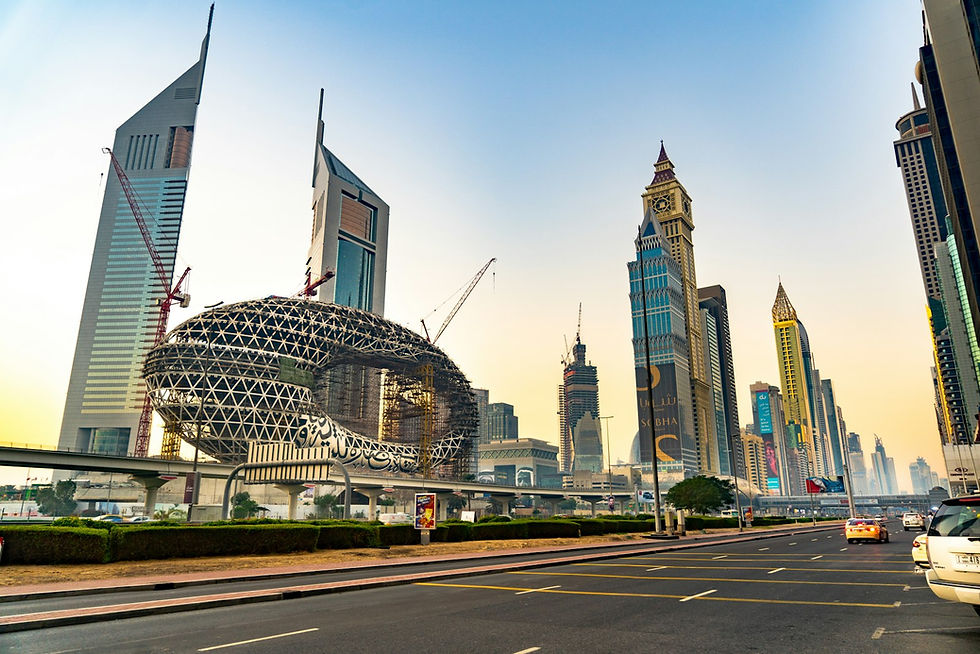
Gulf and Southeast Asian countries are significant source markets for Korean medical travel, and these questions come up routinely. Photo: Darcey Beau / Unsplash
Quick answer Halal food is available in Seoul, concentrated around Itaewon and increasingly elsewhere, and the Korea Tourism Organization publishes a classification system for Muslim-friendly restaurants ranging from certified halal to pork-free. Seoul Central Masjid in Itaewon is the principal mosque, and prayer rooms are provided at Incheon Airport. The questions worth raising with a clinic before booking concern capsule and medication ingredients, skin preparation containing alcohol, staff gender preferences, and meal arrangements during any inpatient stay.
In this guide
What to settle before you travel
Almost everything in this article is easy to arrange if raised at the enquiry stage and difficult to arrange on the morning of surgery. Korean clinics that treat international patients are generally accustomed to accommodation requests, but they cannot anticipate requirements that have not been mentioned, and some arrangements — a particular meal supplier, a female anaesthetist, a quiet room for prayer — depend on staffing and scheduling decided well in advance.
Write your requirements down and send them to the clinic in a single message, then ask for written confirmation of what can and cannot be provided. This gives the clinic time to respond accurately and gives you the information you need to decide between clinics. The coordinator service is the correct contact point, and where language is a barrier the notes on interpreters at Korean clinics explain what support to expect.
Halal food in Seoul and near the clinic districts
Halal and Muslim-friendly dining in Seoul is concentrated most heavily around Itaewon, close to Seoul Central Masjid, where there are certified halal restaurants as well as Turkish, Pakistani, Indian, Malaysian and Middle Eastern establishments. Provision elsewhere in the city has broadened, and the Korea Tourism Organization operates a classification scheme that distinguishes certified halal restaurants from self-certified ones, Muslim-friendly venues, and establishments that are simply pork-free. Understanding which category a restaurant falls into matters more than the word "halal" on a sign.
The clinic districts in Gangnam are not the centre of halal provision, which is a practical consideration when choosing where to stay. Delivery apps cover the city well and will bring food from Itaewon to Gangnam, though recovery-week energy levels make a nearby option preferable. When assessing recovery accommodation, check what is within easy reach rather than what is theoretically available across the city.
Korean cuisine presents some specific points to verify. Pork and pork-derived stock are common, many soups and side dishes use pork or non-halal beef broth, and cooking wine and alcohol-based seasonings appear in marinades. Fermented condiments vary by producer. Asking about ingredients is routine and unremarkable in Seoul; translation apps handle it well.
Most requirements are straightforward to accommodate when raised before booking rather than on admission. Photo: Karen Dalton / Unsplash
Prayer space: mosque, airport and clinic
Seoul Central Masjid in Itaewon is the principal mosque in the capital and the focal point for the Muslim community, with smaller prayer facilities elsewhere in the city and in some university and commercial buildings. Incheon International Airport provides prayer rooms, which is useful on both arrival and departure days.
Clinics vary considerably. Larger hospitals are more likely to have a quiet room or multi-faith space; small cosmetic clinics usually do not, but can generally make a consulting room available if asked in advance. For an inpatient stay, ask specifically about the room, about whether a prayer mat can be brought in, and about the orientation of the room, which staff can usually confirm.
If you expect to be in Seoul for a Friday during your stay, factor in the journey to Itaewon and the constraints described in the guidance on getting around Seoul after surgery, since mobility in the first post-operative days is more limited than most patients anticipate.
Medication and materials: the questions patients ask
Several routine elements of surgical care raise questions for observant patients. Capsule shells may be gelatin-based, some of which is porcine-derived; skin preparation solutions frequently contain alcohol; certain biological materials used in reconstruction may be porcine or bovine in origin; and some injectable products and vaccines use porcine-derived excipients. These are legitimate questions to ask, and clinics can usually answer them by reference to the product information.
The table below sets out the items patients most often ask about and the practical question to put to the clinic. In many cases an alternative exists: a tablet rather than a capsule, an aqueous rather than an alcohol-based antiseptic, a synthetic rather than a biological implant material. Where an alternative exists it is normally straightforward to request. Where none exists, that is a matter for discussion between you, your surgeon and your own religious advisor.
Item | Why patients ask | What to ask the clinic |
Capsule shells | Gelatin may be porcine-derived | Whether a tablet or vegetarian-capsule alternative is available |
Skin preparation solution | Many antiseptics are alcohol-based | Whether an aqueous alternative is clinically suitable |
Biological implant or graft material | Some products are porcine or bovine in origin | The product name and origin, and whether a synthetic option exists |
Injectable product excipients | Some formulations use animal-derived components | Written product information before consent |
Inpatient meals | Hospital catering is rarely halal by default | Whether meals can be supplied, or outside food permitted |
Staff gender | Preference for female clinicians and staff | Availability by role: surgeon, anaesthetist, nurse, interpreter |
Prayer space | Need for a clean, quiet area | Whether a room can be made available and its orientation |
Requests about staff gender and privacy
Requests for a female surgeon, female anaesthetist, female nursing staff, or a female interpreter are common and are usually understood, though they cannot always be met. Availability depends on the specialty and the individual clinic; in Korean cosmetic practice some fields have more female specialists than others. Ask early, ask about each role separately, and accept a clear answer either way rather than discovering the position on the day.
Related requests worth raising explicitly include draping and exposure during examination and photography, who will be present in the operating room, whether clinical photographs can be restricted in how they are stored and used, and whether a companion may remain with you for as much of the process as is clinically appropriate. Photography consent in particular is worth reading carefully, since marketing use is often addressed in the same document as clinical record-keeping.
If you are travelling with a companion, confirm what access they will have during the inpatient period and whether accommodation for them is available at or near the facility.
Ramadan, fasting and surgery timing
Scheduling elective surgery during Ramadan creates a genuine clinical tension. Surgery and recovery depend on adequate hydration, nutrition and regular medication, and pre-operative fasting instructions from the anaesthetist are themselves strict and timed differently from religious fasting. Post-operative antibiotics and analgesics are usually prescribed at intervals that assume normal intake.
Many patients choose to schedule elective cosmetic procedures outside Ramadan for these reasons, and clinics commonly see reduced demand from some source markets during that period. Islamic tradition recognises exemptions relating to illness and medical need, but the application of those exemptions to an individual is a question for that person's own religious advisor, not for a clinic or for this article. What a clinic can do is tell you clearly what intake and medication the recovery period requires, so that you can take that information to the person you consult.
If you do travel during Ramadan, discuss timing of surgery within the day, medication schedules, and hydration explicitly at the pre-operative consultation rather than afterwards.
Religious questions belong with your own advisor This article sets out practical arrangements and the questions worth asking a clinic. It does not offer religious rulings, and nothing here should be read as guidance on what is permissible. Questions about medically necessary treatment where no alternative exists, or about fasting and illness, are matters for your own religious advisor, with accurate clinical information from your surgeon. This article is general information and not medical advice. |
Practical food logistics during recovery
Recovery diets after facial surgery are often soft or liquid for a period, which narrows options further. Plan for this: identify in advance what soft halal food you can obtain near your accommodation, consider bringing shelf-stable items from home where customs rules permit, and check whether your accommodation has a kettle, a refrigerator or a microwave, since these transform what is practical.
Korean convenience stores are ubiquitous and stock a wide range, but ingredient labelling in English is inconsistent and many ready-made items contain pork or alcohol-based seasoning. Reading labels with a translation app works but is slow when you are tired. Decide your first two days of meals before surgery rather than during recovery.
If you are bringing any supplements or food products, check the rules for importing them, which are separate from the rules on taking prescription medication home but similarly worth confirming before you fly.
Putting the requests in writing
A short written list sent before booking resolves most of this. A workable version covers: dietary requirements and whether meals are provided during any inpatient stay; whether capsule and medication composition can be confirmed in advance; whether an alcohol-free antiseptic is available; staff gender preferences by role; prayer space and a confirmation of room orientation; photography consent and restrictions on use; and companion access.
Ask for the reply in writing and keep it. If a clinic responds vaguely to a specific question, that is itself useful information about how it handles requests generally. Patients travelling from the Gulf will find the broader logistics covered in the guide to medical travel from the UAE to Korea, which addresses visas, flights and coordination alongside these considerations.
Frequently asked questions
Is halal food easy to find in Seoul?
It is available and most concentrated around Itaewon, near Seoul Central Masjid, with broader provision across the city than in the past. The Korea Tourism Organization classifies venues from certified halal through self-certified and Muslim-friendly to pork-free, so checking the category matters more than a sign. The Gangnam clinic districts have less provision, so plan accommodation and delivery accordingly.
Can I ask for a female surgeon or anaesthetist?
Yes, and the request is routinely understood, though it cannot always be met. Availability depends on the clinic and the specialty, so ask early and ask about each role separately rather than in general terms. A clear answer either way is more useful than an assurance that cannot be honoured on the day.
Are medication capsules an issue?
They can be, since gelatin capsule shells are sometimes porcine-derived. Clinics can usually confirm composition from the product information and, in many cases, prescribe a tablet or an alternative formulation instead. Raise it before the prescription is written rather than at the pharmacy counter, when options are more limited.
Should I schedule surgery during Ramadan?
Many patients choose not to, because recovery depends on hydration, nutrition and timed medication, and because pre-operative fasting rules are set separately by the anaesthetist. Whether exemptions apply to you is a question for your own religious advisor. Ask the clinic to state clearly what the recovery period requires, then take that information to them.
Will the clinic provide a place to pray?
Larger hospitals often have a quiet or multi-faith room; small cosmetic clinics usually do not but can frequently make a consulting room available when asked in advance. Request it at the enquiry stage, ask whether you may bring a prayer mat, and ask staff to confirm the orientation of the room.
Sources
Korea Tourism Organization
Korea Muslim Federation
Ministry of Food and Drug Safety, Republic of Korea (MFDS)
Korea Health Industry Development Institute (KHIDI)
Incheon International Airport Corporation
Related reading
About this guide: Korean Plastic Surgery Info is an independent information resource for international patients considering treatment in Korea. We do not operate clinics or hospitals and we do not receive referral commissions. This article is general information, not medical or religious advice, and does not replace consultation with a qualified clinician or your own religious advisor. Published by Korean Plastic Surgery Info.

Comments