
Mongolian Patients Traveling to Seoul for Cosmetic Surgery: Complete Guide

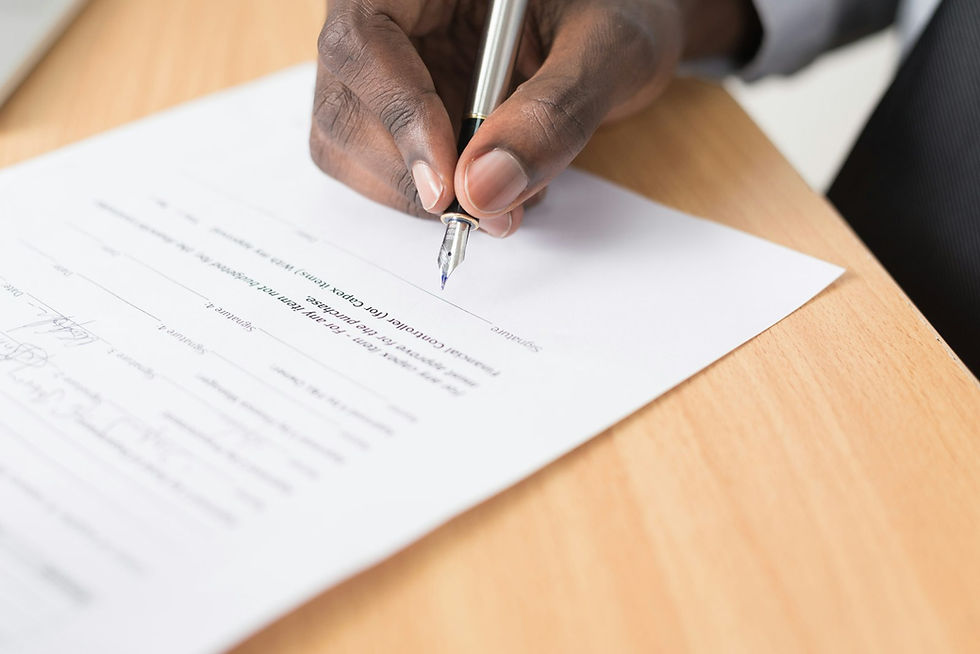
Most of the friction in a Korea treatment trip is administrative, not clinical. Photo: CHUTTERSNAP / Unsplash
Quick answer Mongolian passport holders need a visa to enter Korea, so a treatment trip starts with the visa route rather than the clinic. Expect to choose between a short-term visa covering a visit of up to around ninety days and a dedicated medical treatment stay for longer or staged care, to supply a clinic document pack with the application, and to plan the trip around the follow-up appointments rather than around the surgery date alone.
In this guide
The visa route, and why it comes first
Mongolia is not part of any visa exemption arrangement with Korea, so every patient travelling from Ulaanbaatar needs a visa issued before departure. This is the single most common reason a planned treatment trip slips by weeks, and it is why the visa route should be settled before a surgery date is confirmed rather than after.
In broad terms there are two routes. A short-term visa covers a visit of up to roughly ninety days and is adequate for most single procedures with a normal recovery. A dedicated medical treatment stay exists for longer courses of care, staged surgery or treatment that cannot be completed inside a short visit, and a separate accompanying-carer route exists for a family member travelling to assist. Which one fits depends on the procedure and the follow-up schedule, not on your preference.
Processing times, document lists and the categories themselves are set by Korean immigration policy and are revised periodically. Confirm the current requirement with the Korean diplomatic mission handling applications from Mongolia before you pay any clinic deposit, and treat any timeline an intermediary gives you as an estimate rather than a commitment.
Documents the clinic must give you
A medical visa application is built on paperwork the clinic issues, so the clinic becomes part of the visa process whether or not it presents itself that way. Ask for this pack in writing early, because assembling it is usually what causes delay.
A confirmation of appointment or admission, naming you, the procedure and the scheduled dates.
A treatment plan or medical certificate describing what is planned and the expected recovery period, which is what justifies the length of stay you are requesting.
An estimate of costs, which also serves as evidence that the trip is funded.
Confirmation that the clinic is registered to receive international patients, under its own legal name.
If a carer is travelling with you, documentation naming that person and their relationship to you.
If an agency is assembling this on your behalf, verify the agency itself first. The checks are set out in our guide to checking whether a Korean medical tourism agency is legally registered, and they take far less time than recovering a deposit later.
Flights, arrival and the first forty-eight hours
The Ulaanbaatar to Seoul Incheon route is short, usually a little over three hours, and it is served directly, which removes most of the complications of a connecting itinerary with surgical dressings or restricted mobility. The practical constraint is frequency rather than duration. Schedules on this route are thinner than on high-volume Asian routes and vary by season, so a date change after surgery can be harder and more expensive than patients expect.
Plan arrival at least one full day before the first clinic appointment. Pre-operative testing is normally done in Korea, not at home, and a result that comes back outside the acceptable range can delay surgery by a day or more. Arriving the morning of the consultation leaves no room for that.
What the pre-operative assessment actually covers, and which findings commonly postpone an operation, is set out in our guide to pre-operative tests at Korean clinics. Read it before you book the flight, because it changes how many spare days you should buy.

Build the surgery date around the return flight, not the other way round. Photo: Matthew Smith / Unsplash
Interpreting and language support in Seoul
Mongolian-speaking coordination is more available in Seoul than patients expect, because Mongolia has been a consistent source market for Korean healthcare for years and clinics serving it have staffed accordingly. It is not universal, though, and it is concentrated in clinics that actively market to Mongolia rather than distributed evenly across the city.
Establish before you book which language the consent conversation will happen in, and who will interpret it. A coordinator who interprets logistics well is not necessarily the person you want interpreting a discussion of surgical risk. Ask specifically whether a Mongolian interpreter will be present for the consultation with the surgeon, and whether the written consent documents exist in a language you read, or only in Korean with verbal translation.
Where only verbal translation is offered, ask for the key points to be confirmed in writing afterwards. This is a reasonable request and most clinics accommodate it.
Paying from Mongolia without losing money on transfer
Payment mechanics deserve attention because the losses are quiet. Cross-border transfer fees, intermediary bank charges and the exchange spread applied at conversion can together move the real cost materially, and none of them appear on the clinic quotation.
Payment method | Where the cost hides | Practical note |
International wire before travel | Sending fee, intermediary bank deduction, spread at conversion | Ask the clinic to confirm the amount it actually received, not the amount you sent |
Card payment at the clinic | Card network conversion margin and any issuer foreign transaction fee | Always decline conversion to your home currency at the terminal if offered |
Cash on arrival | Declaration thresholds and exchange rate at the point of exchange | Check the declaration rules on both sides before carrying a large sum |
Payment split across stages | Each transfer repeats the fixed fees | Fewer, larger transfers usually cost less in total than several small ones |
The full range of accepted methods, including how tax refunds on some medical services work in practice, is covered in our guide to paying for cosmetic surgery in Korea.
How long to plan to stay
Length of stay is set by the suture removal and review schedule, not by how quickly you feel able to fly. Most facial procedures involve a review within the first week and suture removal somewhere in the first week to ten days, and a departure before that point means arranging those steps at home.
A procedure-by-procedure breakdown of the day count is set out in our guide to how long to stay in Korea for cosmetic surgery. Because flight frequency on the Ulaanbaatar route is limited, add a buffer on top of the minimum rather than booking to the exact day.
If you must leave before suture removal, arrange it before you fly rather than after you land. Confirm in writing which clinic in Ulaanbaatar will do it, what the Korean clinic requires in the way of photographs or notes, and who is responsible if the wound does not heal as expected.
Aftercare once you are back in Ulaanbaatar
Distance changes aftercare from a visit into a documentation exercise. Before you leave Seoul, obtain the operative record, the names and dosages of anything prescribed, and a written schedule of what should be reviewed and when. Verbal instructions do not survive a flight.
How remote review typically works in practice, including what photographs are useful and what cannot be assessed remotely, is covered in our guide to remote follow-up after returning home from Korea. Separately, if you are carrying prescribed medication home, check the rules first, as set out in our guide to taking prescription medication home from Korea.
Agree in advance what happens if something goes wrong after you are home. Ask whether the clinic reviews cases remotely at no charge, what a revision would cost, and whether travel back to Korea would be required. Getting that answer in writing before surgery is far easier than negotiating it afterwards.
Frequently asked questions
Do Mongolian citizens need a visa for medical treatment in Korea?
Yes. Mongolia is not covered by a visa exemption arrangement with Korea, so a visa must be obtained before departure. Which category applies depends on the length and nature of the treatment, and current requirements should be confirmed with the Korean diplomatic mission handling applications from Mongolia.
Can a family member travel with me as a carer?
A separate route exists for an accompanying carer in connection with medical treatment. It requires documentation naming that person and their relationship to the patient, issued in connection with the treatment itself.
How long does the flight from Ulaanbaatar to Seoul take?
The direct route to Incheon is normally a little over three hours. The bigger planning constraint is frequency rather than duration, since schedules are thinner than on high-volume routes and vary seasonally.
Will a Mongolian interpreter be available at the clinic?
Mongolian-language coordination is reasonably common at clinics that market to Mongolia, but it is not universal. Confirm before booking whether an interpreter will be present for the consultation with the surgeon specifically, not only for scheduling.
Is it cheaper to pay by card or by bank transfer?
It depends on your bank and card issuer rather than on the method itself. Compare the total landed cost including fees and conversion spread, and ask the clinic to confirm the amount it actually received after any transfer.
Sources
Ministry of Health and Welfare, Republic of Korea
Korea Health Industry Development Institute (KHIDI)
Ministry of Justice, Republic of Korea, immigration policy
Korean Society of Plastic and Reconstructive Surgeons (KSPRS)
Korean Medical Association (KMA)
Related reading
About this guide: Korean Plastic Surgery Info is an independent information service operated from Seoul. We do not own or operate clinics and we receive no commission from clinics or agencies for referrals. This article covers administrative and travel planning only. It is not medical advice and it is not immigration advice. Visa categories, document requirements and processing times are set by Korean immigration policy and change, so confirm current requirements with the relevant Korean diplomatic mission before booking. Clinical decisions belong with a licensed physician.


Comments