
How Rejuran and PDRN Polynucleotide Injections Actually Work: A Complete Mechanism Guide
Polynucleotide injectables, of which Rejuran is the best-known brand in Korea, are preparations of purified DNA fragments — most commonly extracted from salmon or trout milt — injected into the dermis to stimulate the skin's own repair machinery rather than to add volume. This is the crucial distinction that most treatment pages skip: a polynucleotide skin booster is not a filler. It does not primarily work by occupying space. It works by presenting a biological signal that fibroblasts respond to. Once that is clear, the treatment's slow onset, its cumulative course structure and its realistic limits all become predictable rather than mysterious. This guide explains the mechanism step by step and sets out what the current evidence does and does not support.

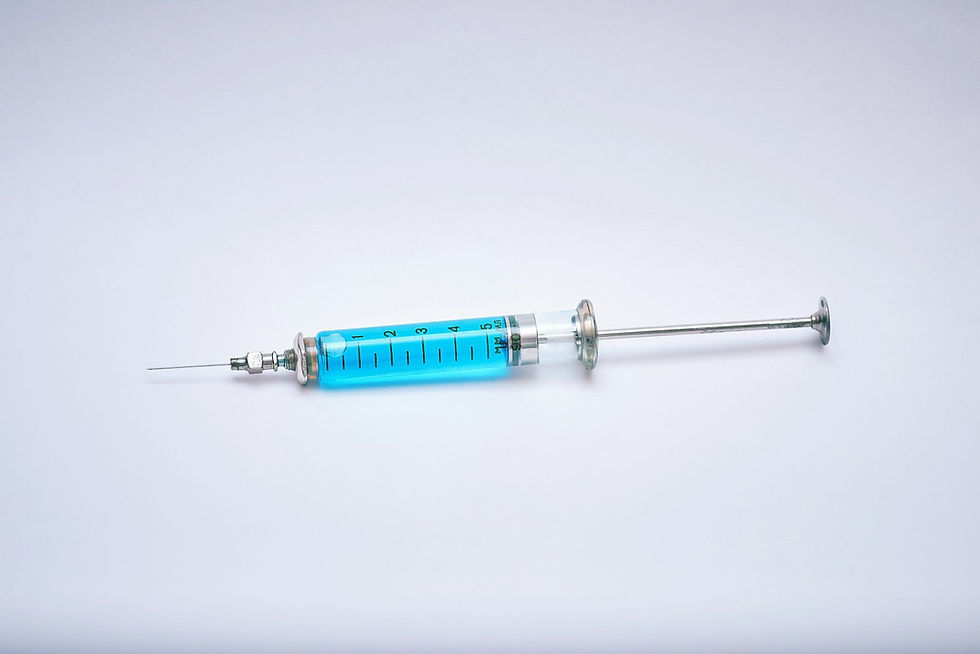
What Is Actually in the Syringe
Two related terms appear on clinic menus and are often used loosely. PDRN, or polydeoxyribonucleotide, refers to shorter DNA fragments, typically cited in the range of roughly 50 to 1,500 kilodaltons, which are understood to act primarily through receptor signalling. PN, or polynucleotide, refers to longer-chain fragments that additionally form a hydrating, gel-like scaffold in the dermis.
Both are derived from fish sperm DNA because it is a rich, well-characterised source that can be purified to remove proteins and peptides — the components that would otherwise carry immunogenic risk. The purification standard is what separates a regulated pharmaceutical-grade product from an unregulated one, and it is a fair question to ask a clinic which specific product and lot they are using.
Importantly, DNA is highly conserved across species. The nucleotide sequence of salmon DNA is not doing anything species-specific in human skin; it is the fragments themselves, and their interaction with a particular receptor, that matter.
The Core Mechanism: Adenosine A2A Receptor Activation
The most substantiated pathway in the published literature is activation of the adenosine A2A receptor. As injected polynucleotide fragments are gradually broken down by extracellular nucleases, they release nucleosides including adenosine. Adenosine binds A2A receptors on fibroblasts, keratinocytes and immune cells.
Downstream, A2A activation has been associated in laboratory and animal studies with increased fibroblast proliferation, upregulated collagen type I and type III synthesis, increased production of vascular endothelial growth factor with consequent angiogenesis, and a shift in macrophage behaviour toward a less inflammatory, more reparative phenotype. In simple terms, the tissue is nudged from an inflammatory state toward a rebuilding state.
This is the same receptor pathway that underlies PDRN's older and better-evidenced clinical use in wound healing, including diabetic foot ulcers and burns, where it has been studied for considerably longer than its cosmetic application.
The Secondary Mechanism: A Physical Hydrating Scaffold
Longer polynucleotide chains also behave physically. They form a hydrophilic three-dimensional network in the dermis that binds water and provides a temporary matrix along which fibroblasts can migrate and organise. This contributes to the immediate but short-lived plumping and improved light reflectance that some patients notice within the first week.
It is worth separating the two effects when setting expectations. The scaffold effect appears early and fades within weeks. The receptor-mediated remodelling effect appears late and lasts far longer. Patients who judge the treatment at week two are usually assessing the wrong mechanism.
What This Predicts About Timelines
Because collagen remodelling is a slow biological process, the visible course of polynucleotide treatment is fairly consistent: a transient hydration effect and injection-site papules in the first few days; papules typically resolving within 24 to 72 hours; little apparent change through weeks two and three; and the first genuine textural improvement generally reported from around week four to six after the initial session.
Standard protocols usually involve three to four sessions spaced two to four weeks apart, with maintenance every six to twelve months. The rationale for spacing is that each session initiates a new remodelling cycle before the previous one has completed, producing a cumulative rather than additive effect. Reported duration of benefit after a full course commonly falls in the range of six to twelve months, though this varies with age, sun exposure, smoking status and baseline skin quality.
What the Evidence Supports — and Where It Is Thin
This is the section most clinic pages omit entirely, and it matters for anyone making an informed decision. PDRN's wound-healing evidence base is comparatively strong, with randomised controlled data in ulcer healing. The cosmetic and skin-quality evidence base is weaker: much of it consists of small single-centre studies, open-label designs, short follow-up periods, and industry-funded work, often using subjective assessment scales rather than blinded objective measures.
That does not mean the treatment does not work. It means the honest position is that mechanistic plausibility is good, laboratory support is reasonable, early clinical results are encouraging, and large independent randomised trials with objective endpoints remain limited. Patients should be told this. A clinic that presents polynucleotide therapy as definitively proven skin regeneration is overstating the literature.
Similarly, polynucleotides will not lift descended tissue, will not remove deep static wrinkles, and will not substitute for volume replacement. Treating them as a texture, hydration and fine-line intervention keeps expectations aligned with mechanism.
Safety Considerations and Contraindications
Commonly reported side effects are injection-site related: papules or bumps at each entry point, erythema, swelling, bruising and tenderness, generally resolving within one to three days. Because the treatment involves multiple needle passes, bruising is more likely in patients taking anticoagulants or regular anti-inflammatory medication.
Fish allergy is the contraindication most often raised. Purified pharmaceutical-grade preparations have protein content reduced to trace levels, and reported allergic reactions are uncommon, but a patient with a documented severe fish or seafood allergy should disclose it and discuss it directly with the treating physician rather than relying on general reassurance. Active skin infection at the treatment site, pregnancy and breastfeeding, and active autoimmune disease under treatment are typically listed as reasons to defer, largely on precautionary grounds given the absence of safety data in those groups.
Treatment should be performed by a licensed physician using a regulated product. Products sold direct-to-consumer for self-injection are an avoidable risk and are not equivalent to clinic-administered pharmaceutical-grade preparations.
Frequently Asked Questions
Is Rejuran the same as a hyaluronic acid skin booster?
No. Hyaluronic acid boosters primarily hydrate by binding water directly and are gradually degraded by hyaluronidase. Polynucleotides act mainly as a biological signal to fibroblasts. The two are sometimes used in combination precisely because the mechanisms differ.
How many sessions before I see a difference?
Most protocols expect meaningful change after the second or third session, roughly six to ten weeks from starting. Judging the result after a single session is generally premature given the mechanism.
Does it help with acne scarring?
Some studies report improvement in shallow, rolling atrophic scarring and in overall skin texture, and polynucleotides are often used adjunctively alongside subcision or laser. They are not a primary treatment for deep icepick or boxcar scarring, which requires mechanical or ablative intervention.
Can it be combined with botulinum toxin or laser?
Combination protocols are common in Korean practice, frequently sequencing polynucleotide injections after laser resurfacing to support recovery. Sequencing and interval should be decided by the treating physician, since combining procedures on the same day increases inflammation and downtime.
Is it safe to repeat long term?
Repeated courses at six to twelve month intervals are widely used in practice and no specific cumulative risk has been established. Long-term controlled safety data over many years remains limited, which is an honest limitation rather than a known problem.
Making an Informed Choice
Polynucleotide therapy is best understood as a slow, signal-driven skin quality treatment with a plausible mechanism, a reasonable safety profile and an evidence base that is promising but still maturing. If a clinic can explain the A2A pathway, is candid about the timeline, uses a regulated product and does not promise transformation, you are being given an accurate picture. Our coordinator team can help you compare treatment plans and product specifications across Korean clinics in your own language.
Related Reading
Retinol vs Tretinoin vs Adapalene: A Complete Guide • Subcision vs TCA CROSS vs Fractional Laser for Acne Scars • Understanding Your Fitzpatrick Skin Type for Laser Safety
Sources and Further Reading
Background reading and professional bodies referenced in preparing this article:


Comments