
A Japanese Patient's Guide to Cosmetic Surgery in Korea: Costs, Language and Aftercare
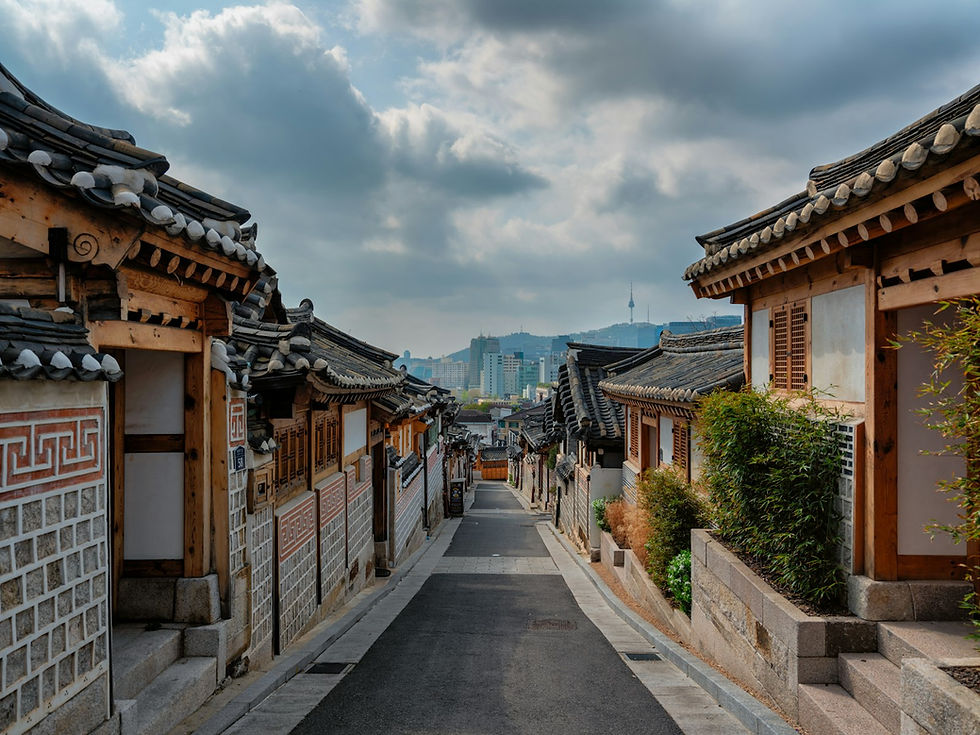
A two to three hour flight makes a planned return visit genuinely feasible. Photo: Elliot Gouy / Unsplash
Japanese patients travelling to Korea for cosmetic surgery usually face no visa requirement for a short visit, a flight of roughly two to three hours from major Japanese cities, and clinics in Seoul that commonly provide Japanese-language coordination — which together make it one of the most straightforward medical travel routes in the region.
Short flights and shared regional proximity remove much of the friction that longer-haul medical travel involves, but they also encourage patients to plan too lightly. The decisions that determine outcome are the same regardless of distance: verifying the surgeon, understanding what the quote covers, planning a realistic length of stay, and arranging aftercare once you are home. This article covers entry, cost comparison with Japan, language support, consent, length of stay, aftercare across borders, and what to confirm before booking. It is general information and not medical advice, and entry rules should always be checked against current official guidance before travel.
Entry and Travel Logistics
Japanese nationals generally travel to Korea for short stays without applying for a visa in advance, subject to the electronic travel authorisation and entry requirements in force at the time. Because these requirements change, confirm the current position with Korean immigration authorities or the Korean diplomatic mission in Japan before booking, and do not rely on a clinic's reassurance alone.
Flights connect Tokyo, Osaka, Nagoya, Fukuoka and other cities to Incheon and Gimpo frequently, with Gimpo often more convenient for central Seoul. The short flight time is an advantage for a return trip to remove sutures or attend review, which is a genuine clinical benefit rather than only a convenience.
One caution specific to short-haul travel: the ease of the journey tempts patients to book surgery and a return flight within a few days. Flying too soon after an operation carries risk, and the appropriate interval is a decision for your surgeon rather than your schedule.
How Costs Compare with Japan
Cosmetic surgery in Korea is often, though not always, less expensive than equivalent treatment in Japan, and the price gap is one of the main drivers of this route. The gap is narrower than commonly assumed once the comparison is made properly.
A valid comparison requires itemised written quotes on both sides covering the surgeon's fee, anaesthesia, facility fee, any implant or device with its brand named, included follow-up visits, medication and garments, and the written revision policy. To the Korean total then add flights, accommodation for the full recommended stay rather than the minimum, local transport, a companion's costs if needed, and the realistic prospect of a return trip.
Note also that purely cosmetic treatment is generally not covered by Japanese national health insurance whether performed at home or abroad, so the comparison is self-funded on both sides. Where a procedure has a functional as well as aesthetic component, the coverage position is more complex and worth clarifying with your insurer before travelling rather than afterwards.
Language Support and Its Limits
Seoul clinics serving international patients commonly offer Japanese-speaking coordinators, and some employ Japanese-speaking medical staff. For Japanese patients this is one of the better-supported language routes in Korean medical travel.
The limitation to understand is the difference between a coordinator and a medical interpreter. A coordinator's role includes scheduling, guidance and commercial communication, and the person who helps you book is not necessarily qualified to convey clinical risk. Informed consent requires that you understand the diagnosis, the proposed procedure, the alternatives, the specific risks and the aftercare plan.
Request that clinical consultations and the consent discussion be supported by someone whose role is interpretation, ask whether consent documents are available in Japanese, and ask for written copies to read without time pressure. The shared use of kanji can create false confidence: a Japanese reader may recognise characters in a Korean or Chinese-language document while missing the clinical meaning, so partial legibility is not comprehension.
Verifying the Surgeon and the Clinic
Language convenience is not a credential. Confirm that the operating surgeon holds Korean specialty board certification in plastic surgery, and that the person who consults with you is the person who will operate. Ask this directly and ask for the answer in writing, because a consultation conducted by one doctor and surgery performed by another is a recognised concern in the Korean aesthetic market.
Ask how often the surgeon performs your specific procedure, what the clinic's anaesthesia arrangements are and who monitors you, what emergency capability the facility has or which hospital it transfers to, and what the written policy is on revision and complications. Clinics registered with Korean authorities for foreign patient treatment are subject to registration requirements, and asking about that status is reasonable.

Length of stay should be set by the clinic's schedule, not the flight timetable. Photo: Y K / Unsplash
Planning Length of Stay
The most common planning error on this route is booking the shortest trip the flight schedule allows. Length of stay should be set by the procedure: suture removal, the first dressing change and early review all occur on a clinical schedule, and swelling and bruising follow their own timeline.
Ask the clinic for the recommended minimum stay, then budget accommodation beyond it. Book changeable flights where possible. If the plan is to return home before suture removal and have it done in Japan, that must be arranged in advance with a Japanese clinic that has agreed to it, not assumed.
Returning for Review
Because the flight is short, a planned return visit is more feasible than for most medical travel. Where a procedure benefits from in-person review at a few weeks or months, discussing a second trip at the outset is often better than trying to compress everything into one stay.
Aftercare Across Two Countries
The period after you fly home is where this route most often goes wrong, because responsibility becomes ambiguous. Before leaving the clinic, obtain your clinical records: the operative note, the specific details of any implant or device used including brand, model and lot number, the anaesthesia record, prescriptions with generic drug names, and written aftercare instructions. Ask for these in a form a Japanese doctor can use, and keep digital copies.
Identify, before you travel, a doctor in Japan who will see you for post-operative review or a problem. Japanese practitioners are not obliged to take on the follow-up of surgery performed elsewhere, and some decline, so this should be arranged rather than hoped for. Establish how to contact the Korean clinic after hours and whether it will correspond directly with your Japanese doctor if needed.
Know the warning signs that require urgent local assessment — spreading redness, fever, worsening rather than improving pain, sudden swelling, bleeding, or any visual change after a periocular or filler procedure — and understand that in those situations you present to a local emergency service first and inform the Korean clinic second.
Frequently Asked Questions
Do Japanese citizens need a visa for medical treatment in Korea?
Short visits by Japanese nationals generally do not require a visa, subject to the travel authorisation and entry conditions in force. Longer treatment may require a medical visa. Because these rules change, verify the current requirement with Korean immigration authorities or the Korean mission in Japan before booking.
Will Japanese health insurance cover the treatment?
Purely cosmetic procedures are generally not covered by Japanese national health insurance, in Japan or abroad. Procedures with a functional component may be treated differently, and overseas medical expense reimbursement has its own rules and limits. Ask your insurer specifically about elective surgery performed abroad before you travel.
Is Japanese-language support reliable at Seoul clinics?
Japanese support is comparatively common at clinics serving international patients, but quality varies and a coordinator is not necessarily a clinical interpreter. Confirm in advance who will interpret the consent discussion and whether documents are available in Japanese.
How soon can I fly home after surgery?
That is a clinical decision specific to the procedure and your recovery, and flying prematurely carries risk. Ask for the recommended interval before booking a return flight, and prefer a changeable ticket.
What if a complication appears after I return to Japan?
Present to a Japanese doctor or emergency service for urgent assessment and notify the Korean clinic. Having your operative records, implant details and a Japanese doctor identified in advance makes this materially easier, which is why those steps belong in the planning stage.
Before You Book
Confirm current entry requirements independently. Obtain an itemised written quote and a written revision and complication policy. Verify the operating surgeon's board certification and that they will perform the surgery. Arrange clinical interpretation for the consent discussion. Set length of stay from the clinic's clinical advice and budget beyond it. Identify a Japanese doctor for follow-up and collect your records before you leave.
General context on Korean clinical standards and foreign patient care referenced here draws on the Korea Health Industry Development Institute, the Korean Medical Association and the Korean Society of Plastic and Reconstructive Surgeons. Entry and insurance details should be verified with the relevant official authorities, as they change.



Comments